2026 Executive Forum - A Curated Leadership Experience for Senior STEM Executives
The STEM Connect 2026 Executive Forum is designed as more than a collection of individual conference sessions. It is a cohesive executive experience created for senior leaders who are navigating complex business, workforce, technology, and leadership challenges across STEM-based organizations.
This year’s Executive Forum brings leaders together in a space designed specifically for their career stage: strategic, peer-centered, practical, and focused on enterprise-level impact. Through executive roundtables, interactive workshops, facilitated dialogue, applied reflection, networking, and optional panel participation, participants will have the opportunity to exchange insights with peers, explore shared challenges, strengthen their leadership networks, and engage in programming aligned to the realities of executive leadership today.
STEM Connect 2026
Breaking Your Ceiling: Unlocking Meta Performance for Executive Impact (Part 1 of 2)
Time: 9:45 AM - 12:15 PM
Room: 3B
Speaker/Trainer: Lawrence Huey, Amy Tucker
Target Audience / Career Band: Executive
Session Format: Interactive workshop with strategic reflection, peer dialogue, and practical planning
SASE Leadership Competency Focus: Strategic Planning (LO.1.1), Self-awareness (LY.1.5), and Accountability (LP.3.5)
Session Overview
Note: This is the first part for certification. Participants who attend the full session series and submit the completed worksheet will receive a certificate of participation recognizing awareness of the Executive competencies covered.
At the executive level, the next breakthrough rarely comes from working harder. It comes from seeing the system more clearly, evolving the leadership patterns that shaped past success, and aligning decisions with the future the organization needs to create.
For STEM executives, past success can become an invisible ceiling. The habits, assumptions, and decision-making approaches that helped leaders advance may not be the same ones required to lead through complexity, influence across systems, and drive enterprise-level results. Sustained executive impact requires the ability to step back, examine how leadership choices shape strategy and culture, and create stronger accountability for translating vision into measurable progress.
This session introduces meta performance as an executive leadership capability: the ability to intentionally examine how you think, decide, influence, learn, and create value. Through strategic reflection, peer dialogue, and practical planning, participants will identify the leadership ceilings that may be limiting their next level of impact and clarify the shifts needed to lead with greater strategic focus, self-awareness, and accountability.
Executives will leave with a sharper understanding of where their leadership must evolve, how to strengthen alignment around key priorities, and what actions will create greater enterprise value over the next 30–60 days.
Leadership Competencies Strengthened
At the Executive career band, these competencies are about more than personal improvement or day-to-day execution. They involve seeing how individual leadership patterns shape enterprise strategy, organizational culture, stakeholder alignment, and measurable business outcomes:
- Strategic Planning (LO.1.1) - Clarifying where leadership must evolve to support long-term organizational priorities and enterprise-level results.
- Self-awareness (LY.1.5) - Examining the habits, success patterns, and assumptions that may be creating a ceiling on future executive impact.
- Accountability (LP.3.5) - Identifying actions that create stronger ownership, follow-through, and enterprise value around strategic priorities.
Learning Objectives
By the end of this interactive workshop, participants will be able to:
- Identify the success patterns, assumptions, and leadership habits that may be creating a ceiling on future executive impact.
- Apply a strategic planning lens to clarify where their leadership must evolve to support long-term organizational priorities.
- Examine how their leadership style and decision-making patterns influence enterprise alignment, culture, and performance.
- Identify opportunities to strengthen accountability by clarifying ownership, expectations, and follow-through around strategic priorities.
- Use peer dialogue and reflective practice to surface new perspectives on current leadership challenges and growth opportunities.
- Develop a focused executive action plan that connects self-awareness, strategic direction, and accountability to measurable enterprise impact.
Participant Takeaways
Participants will leave with a clearer understanding of the leadership patterns that may be limiting their next level of executive impact and a focused 30–60 day action plan for strengthening strategic focus, self-awareness, accountability, and enterprise value.
Breaking Your Ceiling: Unlocking Meta Performance for Executive Impact (Part 2 of 2)
Time: 9:45 AM - 12:15 PM
Room: 3B
Speaker/Trainer: Lawrence Huey, Amy Tucker
Target Audience / Career Band: Executive
Session Format: Interactive workshop with strategic reflection, peer dialogue, and practical planning
SASE Leadership Competency Focus: Strategic Planning (LO.1.1), Self-awareness (LY.1.5), and Accountability (LP.3.5)
Session Overview
Note: This is the last part for certification. Participants who attend the full session series and submit the completed worksheet will receive a certificate of participation recognizing awareness of the Executive competencies covered.
At the executive level, the next breakthrough rarely comes from working harder. It comes from seeing the system more clearly, evolving the leadership patterns that shaped past success, and aligning decisions with the future the organization needs to create.
For STEM executives, past success can become an invisible ceiling. The habits, assumptions, and decision-making approaches that helped leaders advance may not be the same ones required to lead through complexity, influence across systems, and drive enterprise-level results. Sustained executive impact requires the ability to step back, examine how leadership choices shape strategy and culture, and create stronger accountability for translating vision into measurable progress.
This session introduces meta performance as an executive leadership capability: the ability to intentionally examine how you think, decide, influence, learn, and create value. Through strategic reflection, peer dialogue, and practical planning, participants will identify the leadership ceilings that may be limiting their next level of impact and clarify the shifts needed to lead with greater strategic focus, self-awareness, and accountability.
Executives will leave with a sharper understanding of where their leadership must evolve, how to strengthen alignment around key priorities, and what actions will create greater enterprise value over the next 30–60 days.
Leadership Competencies Strengthened
At the Executive career band, these competencies are about more than personal improvement or day-to-day execution. They involve seeing how individual leadership patterns shape enterprise strategy, organizational culture, stakeholder alignment, and measurable business outcomes:
- Strategic Planning (LO.1.1) - Clarifying where leadership must evolve to support long-term organizational priorities and enterprise-level results.
- Self-awareness (LY.1.5) - Examining the habits, success patterns, and assumptions that may be creating a ceiling on future executive impact.
- Accountability (LP.3.5) - Identifying actions that create stronger ownership, follow-through, and enterprise value around strategic priorities.
Learning Objectives
By the end of this interactive workshop, participants will be able to:
- Identify the success patterns, assumptions, and leadership habits that may be creating a ceiling on future executive impact.
- Apply a strategic planning lens to clarify where their leadership must evolve to support long-term organizational priorities.
- Examine how their leadership style and decision-making patterns influence enterprise alignment, culture, and performance.
- Identify opportunities to strengthen accountability by clarifying ownership, expectations, and follow-through around strategic priorities.
- Use peer dialogue and reflective practice to surface new perspectives on current leadership challenges and growth opportunities.
- Develop a focused executive action plan that connects self-awareness, strategic direction, and accountability to measurable enterprise impact.
Participant Takeaways
Participants will leave with a clearer understanding of the leadership patterns that may be limiting their next level of executive impact and a focused 30–60 day action plan for strengthening strategic focus, self-awareness, accountability, and enterprise value.
Beyond AI Adoption: Reimagining What’s Possible for Leadership, Teams, and Organizations
Time: 9:30 AM - 12:00 PM
Room: 3B
Speaker/Trainer: Nozomi Morgan, Keith Nishida
Target Audience / Career Band: Executive
Session Format: Executive Roundtable with Wisdom Circles and peer dialogue
SASE Leadership Competency Focus: Navigating Uncertainty (LO.3.3), Strategic Planning (LO.1.1), and Change Management (LP.3.8)
Session Overview
AI is creating more than new efficiencies. It is giving executive leaders an opportunity to fundamentally rethink how organizations are designed, how teams work, how decisions are made, and what high performance looks like.
This Executive Roundtable moves beyond AI tools and adoption to explore a more strategic question: What becomes possible when we rethink leadership, teams, and organizations through an AI-native lens? An AI-native leader is not simply someone who uses AI effectively, but someone who recognizes that AI is changing what is possible and is willing to challenge long-held assumptions about how work gets done, where value is created, and how organizations operate.
Through facilitated Wisdom Circles and peer dialogue, executives will exchange perspectives, surface emerging practices, and learn from one another. Together, participants will explore how leadership needs to evolve in an AI-enabled world, how people and AI can each contribute where they create the greatest value, which assumptions AI gives leaders permission to rethink, what should be intentionally preserved as organizations evolve, and what will distinguish truly high-performing organizations when access to AI becomes ubiquitous.
This session is designed as a strategic space for senior leaders to step back from implementation, think with peers, challenge assumptions, and expand what they believe is possible for the future of their organizations.
Leadership Competencies Strengthened
At the Executive career band, these competencies involve guiding the entire organization through complexity, interpreting major industry shifts, defining long-term direction, making high-level decisions, and leading large-scale transformation with clarity and confidence:
- Navigating Uncertainty (LO.3.3) - Guiding organizations through complexity and industry shifts while maintaining agility and resilience.
- Strategic Planning (LO.1.1) - Connecting emerging technology shifts to long-term organizational vision, enterprise-level decisions, and future value creation.
- Change Management (LP.3.8) - Leading people and organizations through AI-driven transformation while building clarity, trust, commitment, and resilience.
Learning Outcomes
By the end of this Executive Roundtable, participants will be able to:
- Identify long-held assumptions about leadership, work design, team structures, decision-making, or value creation that may need to be reexamined in an AI-enabled future.
- Describe how AI may shift where value is created across people, teams, systems, and organizations.
- Explore how executive leaders can connect emerging technology shifts to long-term organizational vision, strategic priorities, and enterprise-level decisions.
- Examine how leaders can guide people and organizations through AI-driven transformation while building clarity, trust, commitment, and resilience.
- Reflect on what should be intentionally preserved as organizations evolve, including human judgment, trust, culture, relationships, and purpose.
- Articulate one strategic question or leadership commitment they will take back to their organization to advance future-focused thinking about AI, leadership, teams, or organizational design.
Participant Takeaways
Participants will leave with a clearer understanding of how AI-native leadership can expand what is possible for their organizations and with one executive-level commitment to help guide strategic thinking, change leadership, or organizational transformation.
Master Executive Storytelling: How to Convince, Compel, and Shift Mindsets with Strategic Narratives
Time: 1:45 PM - 3:00 PM
Room: 3B
Speaker/Trainer: Rebecca Okamoto
Target Audience / Career Band: Executive
Session Format: Interactive workshop
SASE Leadership Competency Focus: Storytelling (LY.2.4) and Influencing Others (LP.2.5)
Session Overview
Storytelling has become a critical leadership capability for executives. Once viewed as a creative skill or a “nice-to-have” communication style, strategic storytelling is now essential for helping senior leaders align stakeholders, challenge conventional thinking, and shape business outcomes.
Executive storytelling is not simply about humanizing leadership or delivering a moving presentation. It is a strategic communication technique that helps leaders clarify complexity, connect ideas to business priorities, and guide others toward a shared conclusion. When used well, a strong narrative can align opposing views, shift mindsets, and create momentum around important decisions.
In this workshop, participants will learn how to create a strategic narrative that influences senior stakeholders and supports executive-level leadership. Participants will explore how to guide others to see from their perspective, draw meaningful conclusions, and move toward action. Using a practical framework, they will learn how to build a strategic storyline that can be delivered in as few as 10 slides or 10 sentences.
Leadership Competencies Strengthened
At the Executive career band, these competencies involve using strategic narratives to communicate direction, shape culture, align senior stakeholders, challenge conventional wisdom, and inspire action across the organization:
- Storytelling (LY.2.4) - Crafting narratives that move beyond information-sharing to create alignment, influence decisions, and advance business outcomes in complex environments.
- Influencing Others (LP.2.5) - Using strategic narratives to guide senior stakeholders, shift mindsets, and create momentum around critical business priorities.
Learning Objectives
By the end of this workshop, participants will be able to:
- Explain why strategic storytelling is an essential executive leadership capability, especially when leaders need to align stakeholders, shift mindsets, or create momentum around a business priority.
- Identify the mindset, assumption, or conventional wisdom that must shift in order to influence a senior stakeholder or leadership audience.
- Apply a practical storytelling framework to organize a strategic narrative in a clear, compelling, and concise way.
- Develop a strategic storyline that helps stakeholders understand the current context, see the business implications, and draw a shared conclusion.
- Practice shaping a narrative that connects audience perspective, business priorities, and desired action.
- Determine how to use strategic storytelling to influence decisions, build alignment, and support executive-level business outcomes.
Participant Takeaways
Participants will leave with a practical framework for building executive narratives and the beginning of a strategic storyline they can use to influence senior stakeholders, shift mindsets, and communicate with greater clarity and impact.
6:30 PM - 8:00PM
Location: Level 4 Atrium Lobby
6:30 PM - 9:00 PM
Meet in the Seattle Sheraton Grand Hotel Lobby
RSVP: https://www.signupgenius.com/go/sc26-trainers
Use code: EARLYSPARK
Time: 7:00 AM - 10:00 AM
Room: Atrium Lobby (4th Floor)
Time: 8:00 AM - 9:15 AM
Room: Ballroom (6th Floor)
Time: 9:15 AM - 9:45 AM
Room: Lobby (6th Floor)
Don’t Let Your Talent Go Unnoticed - Communicate Your Value Early in Your Career
Time: 9:45 AM – 12:15 PM
Room: 615
Speaker/Trainer: Leo Cheung
Target Audience / Career Band: Early Career (0–3 years)
Session Format: Practical 2-Hour Workshop
SASE Leadership Competency Focus: LY.1.5 Self-awareness, Interpersonal Communication, and Establishing Trust
Session Overview
You’ve landed the job and proven your technical ability, so why does it still feel like your contributions go unnoticed?
Many early-career professionals work hard, deliver results, and support their teams, yet struggle to gain visibility, recognition, and new opportunities. Strong performance matters, but early career growth also requires self-awareness, clear communication, and intentional career ownership.
In this hands-on workshop, participants will learn how to identify the strengths, values, and work habits shaping their professional reputation. Through reflection, workplace scenarios, and practical exercises, you will develop the tools to make your value visible—without feeling like you are bragging or self-promoting.
Leadership Competencies Strengthened
At the Early Career band, these competencies focus on building a strong professional foundation:
- Self-Awareness: Recognizing how strengths, communication habits, and everyday behaviors shape how others experience your work.
- Interpersonal Communication & Establishing Trust: Communicating value clearly, connecting daily contributions to broader team goals, and building trust through reliability and clarity rather than waiting to be noticed.
Learning Objectives
By the end of this workshop, participants will be able to:
- Identify personal strengths, values, and work habits that drive workplace perception.
- Recognize hidden habits that unintentionally limit visibility, trust, or career opportunities.
- Describe how daily work contributes to team goals, project outcomes, and broader organizational priorities.
- Translate technical contributions into clear, meaningful impact statements for managers, peers, and stakeholders.
- Communicate accomplishments, ideas, and development needs with confidence.
- Build credibility and visibility authentically without self-promotion discomfort.
- Create a practical career ownership action plan focused on feedback, visibility, and next-step opportunities.
Participant Takeaways
Attendees will leave with clearer language for communicating their value, a deeper understanding of professional perception, and a step-by-step action plan to become more visible, trusted, and intentional in their career growth.
Know Yourself to Lead Your Impact: Build Credibility, Communicate with Influence, and Lead Without Authority
Time: 9:45 AM - 12:15 PM
Room: 616
Speaker/Trainer: Christine Lee, Helen Chung
Target Audience / Career Band: Individual Contributor (4+)
Session Format: Interactive leadership development workshop
SASE Leadership Competency Focus: Lead Yourself (LY.2.3 Credibility), Lead People (LP.2.5 Influencing Others), and Lead Organizations (LO.1.5 Collaboration)
Session Overview
Many high-performing individual contributors in STEM-based workplaces are trusted for their technical skill, execution, and problem-solving ability. But as their careers grow, they often face a new leadership challenge: how to influence decisions, contribute across teams, communicate complex ideas, and move work forward without formal authority.
The current reality for many individual contributors is that good work does not always speak for itself. You may have strong ideas but struggle to gain buy-in. You may be dependable but not as visible as you need to be. You may want to challenge a direction, manage up, influence a peer, or contribute across teams, but hesitate because you do not have the title, authority, or confidence to do so effectively.
This interactive workshop helps participants create a new reality: one where they understand how their strengths, communication patterns, and primary leadership voice affect their credibility, influence, and collaboration. Using practical tools such as the 70/30 Principle, Support/Challenge Matrix, Know Yourself to Lead Yourself reflection, CORE Process, and 5 Voices framework, participants will identify how they currently show up, where their strengths may be overused, and what behavior they may need to elevate to lead their impact more effectively.
Participants will leave with a clearer understanding of how to build trust, communicate with influence, collaborate across teams, and lead from their current seat without waiting for a title. Through reflection, peer processing, and a final CORE SMART goal, participants will connect practical leadership tools to the Individual Contributor competencies of Lead Yourself, Lead People, and Lead Organizations.
Leadership Competencies Strengthened
At the Individual Contributor career band, these competencies focus on expanding impact beyond individual execution:
- Lead Yourself (Credibility) - Building credibility through consistent behavior, reliability, self-awareness, and clear communication.
- Lead People (Influencing Others) - Influencing others by communicating ideas with intention, adapting to different working styles, and gaining buy-in without relying on formal authority.
- Lead Organizations (Collaboration) - Working effectively across teams, functions, and stakeholders to move shared priorities forward.
Learning Objectives
By the end of this interactive workshop, participants will be able to:
- Recognize how their natural strengths, communication patterns, and primary leadership voice shape the way others experience their credibility and impact.
- Identify where strong performance alone may not be enough, especially when they need to influence peers, manage up, contribute across teams, or gain buy-in without formal authority.
- Use the 70/30 Principle and Support/Challenge Matrix to identify where strengths may be overused in ways that create resistance, confusion, hesitation, or missed collaboration.
- Practice using their primary voice with greater intention so they can communicate ideas more clearly, build trust, and increase influence across different working styles.
- Apply the CORE process to one real workplace challenge and create a SMART goal that helps them build credibility, strengthen influence, or collaborate more effectively.
- Identify one practical next step for leading their impact from their current role, rather than waiting for a title, promotion, or formal authority.
Participant Takeaways
Participants will leave with a clearer understanding of how they currently show up, how their strengths can support or limit their impact, and how to lead more effectively from an individual contributor role. They will also leave with a CORE SMART goal connected to building credibility, communicating with influence, and collaborating across teams.
Know Yourself to Lead Others: Balance support and challenge to coach people, strengthen trust, and improve team performance (Part 1 of 3)
Time: 9:45 AM - 12:15 PM
Room: 617
Speaker/Trainer: Aaron Lee, Jeff Lovell, Becky Rivest
Target Audience / Career Band: Manager (has direct reports)
Session Format: Interactive leadership development workshop
SASE Leadership Competency Focus: Lead Yourself (LY.1.5 Self-awareness), Lead People (LP.3.4 Coaching), and Lead Organizations (LO.3.1 Psychological Safety)
Session Overview
Note: This is the first part for certification. Participants who attend the full session series and submit the completed worksheet will receive a certificate of participation recognizing awareness of the Manager competencies covered.
You were the one who could solve it: the hardest problem on the board, the failure no one else could trace, the deadline everyone missed. So they promoted you. Solving the problem was never the hard part. Leading people, especially in a role no one fully trained you for, is.
Many new and developing managers discover that the instincts that made them excellent individual contributors can start working against them once they are responsible for leading others. You solve the problem before your team can, and they stop bringing you their thinking. You push without enough support, and the room goes quiet. You protect people from hard feedback, and their growth stalls. You let a small issue sit until it becomes a trust problem.
None of that makes you a bad leader. It makes you a growing one. The way forward starts with seeing yourself clearly and understanding what it is like to be on the other side of your leadership. Using the 5 Voices framework, the 70/30 Principle, the Support/Challenge Matrix, and peer feedback, this session helps managers recognize how their leadership style, strengths, and habits affect trust, ownership, accountability, and team performance.
Participants will practice balancing support and challenge so they can coach people toward ownership rather than solving everything themselves, avoiding hard conversations, or gripping outcomes too tightly. They will leave with practical tools for building trust, strengthening psychological safety, and helping their teams perform with greater clarity, confidence, and accountability.
Leadership Competencies Strengthened
At the Manager career band, these competencies focus on making the shift from being responsible for your own output to being responsible for the growth, trust, and performance of a team:
- Lead Yourself (Self-awareness) - Examining how leadership style, primary Voice, triggers, and overused strengths may unintentionally create pressure, silence, dependence, or confusion.
- Lead People (Coaching) - Practicing coaching behaviors that help direct reports think, grow, and take ownership.
- Lead Organizations (Psychological Safety) - Exploring how everyday manager behaviors shape team culture, including whether people feel safe to speak up, take appropriate risks, share concerns, and learn from mistakes.
Learning Objectives
By the end of this interactive workshop, participants will be able to:
- Name the strengths that made them strong individual contributors and identify where those same strengths may need to shift now that their role is developing other people.
- Use the Know Yourself to Lead Yourself tool and 5 Voices framework to recognize how their leadership style may affect trust, communication, ownership, and team performance.
- Identify where their leadership habits may unintentionally create pressure, silence, dependence, or hesitation on their team.
- Use the 70/30 Principle and Support/Challenge Matrix to recognize whether they are protecting, dominating, abdicating, or liberating the people they lead.
- Practice balancing support and challenge so they can coach people toward ownership rather than solving problems for them, avoiding hard conversations, or controlling outcomes too tightly.
- Connect their day-to-day leadership behaviors to what shows up on the team, including trust, psychological safety, accountability, and performance.
- Apply the CORE Process to one real leadership challenge and create a SMART goal for coaching more effectively, building trust, and improving team performance.
Participant Takeaways
Participants will leave with a clearer understanding of how they show up as managers, how their strengths can either support or limit team growth, and how to balance support and challenge in ways that build trust, increase ownership, and improve team performance.
Know Your System to Lead the Organization: Align Teams, Shape Culture, and Lead Strategic Change Across the Organization (Part 1 of 3)
Time: 9:45 AM - 12:15 PM
Room: 618
Speaker/Trainer: Hope Yin
Target Audience / Career Band: Director (manages managers)
Session Format: Interactive leadership development workshop
SASE Leadership Competency Focus: Lead Yourself (LY.3.4 Sense of Purpose), Lead People (LP.3.4 Coaching), and Lead Organizations (LO.3.3 Navigating Uncertainty)
Session Overview
Note: This is the first part for certification. Participants who attend the full session series and submit the completed worksheet will receive a certificate of participation recognizing awareness of the Director-level competencies covered.
Directors and senior leaders in STEM-based workplaces are often responsible for leading beyond one team. They must align managers, influence across departments, translate strategy into action, shape culture, and guide people through complexity, ambiguity, and change.
The current reality for many directors is that what worked when leading one team does not always work when leading through managers and across systems. You may be pulled into too many escalations. You may find that different teams interpret the strategy differently. You may give direction that feels clear to you but creates confusion for others. You may overuse your strongest leadership voice and unintentionally create dependency, resistance, misalignment, or change fatigue across the system.
This session helps participants create a new reality: one where they can better see the system they are shaping and lead it with clearer purpose. Using the 70/30 Principle, Support/Challenge Matrix, Know Yourself to Lead Yourself tool, CORE Process, and 5 Voices framework, participants will identify where their strengths may be overused and where their growth areas need to be elevated to lead with greater clarity, alignment, and adaptability.
Participants will leave with practical insight into how to coach managers instead of solving for them, communicate purpose more clearly, align stakeholders, and lead through uncertainty without pretending to have all the answers. Through reflection, peer processing, and a final CORE SMART goal, participants will connect practical leadership tools to Director-level competencies in Lead Yourself, Lead People, and Lead Organizations.
Leadership Competencies Strengthened
At the Director career band, these competencies focus on expanding leadership impact across teams, managers, stakeholders, and organizational systems:
- Lead Yourself (Sense of Purpose) - Defining and communicating a clear sense of purpose for a domain so managers and teams understand not only what needs to be done, but why it matters.
- Lead People (Coaching) - Shifting from solving and directing to coaching managers, clarifying purpose, and creating conditions where teams can take greater ownership.
- Lead Organizations (Navigating Uncertainty) - Exploring how to lead through ambiguity and change while maintaining alignment, adaptability, and trust across the system they influence.
Learning Objectives
By the end of this interactive workshop, participants will be able to:
- Recognize how the leadership habits that worked when leading one team may create new challenges when leading through managers, across teams, and across organizational systems.
- Identify where their primary Voice or overused strengths may be creating dependency, misalignment, resistance, change fatigue, or lack of ownership across the system they lead.
- Use the 70/30 Principle and Support/Challenge Matrix to assess how they are balancing clarity, support, challenge, and empowerment with managers and stakeholders.
- Practice shifting from solving and directing to coaching managers, aligning stakeholders, and creating conditions where teams can lead with greater ownership.
- Clarify and communicate a stronger sense of purpose so managers and teams understand how their work connects to strategy, culture, and organizational vision.
- Connect their leadership behaviors to strategic alignment, culture-shaping, team dynamics, and the ability to navigate uncertainty.
- Apply the CORE Process to one real Director-level leadership challenge and create a SMART goal that helps them clarify purpose, align teams, and lead through complexity and change.
Participant Takeaways
Participants will leave with a clearer understanding of the system they are shaping as directors, how purpose can strengthen alignment and ownership, and how to coach managers, guide teams, and lead through complexity with greater clarity and adaptability.
Ingredients of Influence: Building Relational Capital
Time: 9:45 AM - 12:15 PM
Room: 619
Speaker/Trainer: Leonna Luc, Yon Na
Target Audience / Career Band: Manager or Director (Mixed Manager Bands)
Session Format: 120-minute live workshop
SASE Leadership Competency Focus: LP.2.5 Influencing Others
Session Overview
Influence begins with trust, accessibility, and connection.
Senior managers and directors are often responsible for outcomes that depend on people they do not directly manage. Whether coordinating work across functions, building support for initiatives, navigating competing priorities, or leading peer groups, success depends on relationships that create credibility, access, and trust.
When these relational foundations are weak, collaboration slows, information surfaces too late, and stakeholder support becomes harder to secure. Strong influence is not only about presenting a good idea or making a persuasive case. It is also about building the relational capital that allows people to listen, engage, collaborate, and move work forward together.
In this workshop, participants will examine how trust, approachability, and network reach contribute to influence across organizational boundaries. They will assess where their current relationships may be strengthening or limiting collaboration, identify sources of personal power beyond formal authority, and prioritize practical actions to strengthen the relationship foundations that enable influence.
What This Workshop Is Not
This workshop is not a stakeholder management workshop, a persuasion or negotiation skills session, or individual coaching on a specific organizational challenge. It focuses on building the relational capital that enables influence before persuasion, negotiation, or stakeholder strategy is needed.
Leadership Competencies Strengthened
At the Manager and Director career bands, influencing others is about moving work forward through relationships, credibility, and collaboration—not simply relying on authority:
- Influencing Others (LP.2.5) - Exploring how trust, approachability, and network reach affect the ability to lead across teams, functions, and stakeholder groups, identifying relational gaps, and building the relationships needed to support shared outcomes.
Learning Objectives
By the end of this workshop, participants will be able to:
- Evaluate how trust, approachability, and network reach contribute to influence across teams, functions, and organizational boundaries.
- Recognize sources of power beyond formal authority and identify forms of personal power they can use when leading across peers, stakeholders, or cross-functional groups.
- Assess the strength of key stakeholder relationships and organizational connections that affect collaboration, alignment, and influence.
- Identify where gaps in trust, accessibility, or network reach may be limiting their ability to move work forward.
- Prioritize one relationship-building action that strengthens a key relationship, expands network reach, or increases organizational visibility.
- Create a targeted plan to build the relational capital necessary for greater influence across organizational boundaries.
Participant Takeaways
Participants will leave with a clearer understanding of the relationship foundations that make influence possible and a targeted action plan to strengthen trust, approachability, network reach, and collaboration across their leadership context.
What Do You Do with Rage? Turning Frustration into Clarity, Communication, and Influence
Time: 9:45 AM - 12:15 PM
Room: 620
Speaker/Trainer: Sarita Vasa
Target Audience / Career Band: Early Career or Individual Contributor
Session Format: Interactive workshop
SASE Leadership Competency Focus: Emotional Intelligence (LY.2.7), Managing Conflict, and Influencing Others
Session Overview
Frustration is a normal part of professional growth, but when it is not understood or managed well, it can quietly limit a person’s career. Many early-career professionals and individual contributors experience moments where they feel dismissed, misunderstood, blocked, excluded, overextended, or responsible for outcomes they do not fully control. When those moments are ignored, frustration can turn into resentment, disengagement, passive communication, avoidance, emotional reactivity, or missed opportunities to advocate for themselves effectively.
This is especially relevant for professionals whose college, internship, or early-career years were shaped by COVID-era disruption. Many entered the workforce with fewer normal opportunities to practice in-person collaboration, informal feedback, difficult conversations, conflict repair, networking, and workplace communication. As a result, moments of tension at work can feel more personal, more confusing, and harder to navigate. Without the right tools, frustration may show up as silence, withdrawal, over-explaining, defensiveness, burnout, or communication that unintentionally damages trust and credibility.
This interactive workshop helps participants understand anger and frustration not as problems to suppress, but as signals that can reveal unmet expectations, crossed boundaries, unclear communication, misalignment, or values that matter deeply. Participants will learn how to pause, identify what is underneath their emotional reactions, and translate those reactions into clearer self-awareness, professional communication, and constructive action.
For early-career professionals and individual contributors, this skill is a career multiplier. Those who do not learn how to process frustration may unintentionally lose influence, avoid important conversations, damage relationships, or be perceived as reactive, resistant, disengaged, or difficult to work with. Those who learn how to work with frustration can communicate with greater maturity, manage conflict more effectively, collaborate across differences, advocate for their needs, and influence peers, managers, and stakeholders without relying on formal authority.
Leadership Competencies Strengthened
At the Early Career and Individual Contributor levels, these competencies focus on recognizing emotional reactions, self-regulating under pressure, and advocating for ideas without formal authority:
- Emotional Intelligence - Recognizing emotional reactions, beginning to self-regulate under pressure, and using frustration as information to pause, name what is happening, and choose constructive responses.
- Managing Conflict - Navigating peer tension, managing disagreements directly, and translating emotional reactions into clear concerns, clarifying questions, and respectful boundaries.
- Influencing Others - Communicating concerns respectfully, converting frustration into productive advocacy, and influencing peers, managers, and stakeholders without relying on formal authority.
Learning Objectives
By the end of this interactive workshop, participants will be able to:
- Recognize frustration, anger, and resentment as signals that may reveal unmet expectations, crossed boundaries, unclear communication, misalignment, or deeply held values.
- Apply emotional intelligence by pausing, naming the emotion, identifying the trigger underneath it, and choosing a response that supports professional maturity and career growth.
- Identify how unmanaged frustration can weaken trust, credibility, collaboration, and influence, especially when working without formal authority.
- Practice tools for managing conflict by translating emotional reactions into clear concerns, clarifying questions, respectful boundaries, and constructive next steps.
- Demonstrate influence without authority by converting frustration into productive advocacy, clearer asks, stronger collaboration, and ownership of their next best action.
- Create a personal strategy for navigating one current or future workplace frustration with greater clarity, composure, and professionalism.
Participant Takeaways
Participants will leave with practical tools for understanding their frustration, communicating more clearly under pressure, and turning difficult workplace emotions into mature action, stronger relationships, and greater career influence.
Time: 12:30 PM - 2:00 PM
Room: Ballroom (6th Floor)
Open Doors at Work: Build the Communication Habits That Invite Collaboration
Time: 2:15 PM - 3:30 PM
Room: 615
Speaker/Trainer: Dottie Li
Target Audience / Career Band: Early Career (0-3)
Session Format: Interactive workplace communication workshop
SASE Leadership Competency Focus: Approachability (LP.2.2), Nonverbal Communication, and Collaboration
Session Overview
Being easy to reach is not the same as being easy to approach.
Early-career STEM professionals are often learning not only the technical expectations of their role, but also how to communicate in ways that help others feel comfortable asking questions, sharing ideas, offering feedback, and collaborating. In fast-moving workplaces, small communication habits can shape how coworkers, managers, teammates, and stakeholders experience a person’s openness, curiosity, and willingness to connect.
This interactive workshop helps participants build awareness of how their verbal and nonverbal communication may be received by others. Participants will examine how tone, facial expression, posture, eye contact, listening cues, response style, and willingness to ask questions can either invite or discourage collaboration. They will also explore how communication expectations may vary across teams, roles, work settings, and professional environments.
Rather than asking participants to change who they are, this session helps early-career professionals become more intentional about how they show up. Through reflection, examples, and practice, participants will learn practical ways to signal openness, respect, curiosity, and approachability in everyday workplace interactions.
Leadership Competencies Strengthened
At the Early Career band, these competencies focus on building the communication habits that make it easier to work with, learn from, and build trust with others:
- Approachability (LP.2.2) - Using behaviors such as open body language, attentive listening, clear tone, proactive questions, and receptive responses to make it easier for colleagues to connect.
- Nonverbal Communication - Recognizing how tone, facial expression, posture, eye contact, listening cues, and engaged presence influence everyday interactions.
- Collaboration - Reducing unintentional communication barriers to strengthen teamwork with peers, managers, teammates, and stakeholders.
Learning Objectives
By the end of this interactive workshop, participants will be able to:
- Explain how approachability affects early-career success, workplace learning, collaboration, trust, and professional relationships.
- Identify verbal and nonverbal communication habits that may unintentionally make them seem unavailable, uninterested, or difficult to approach.
- Recognize how tone, facial expression, posture, eye contact, listening cues, and response style shape how others experience their communication.
- Describe how communication expectations can differ across teams, roles, work settings, cultures, and professional environments.
- Practice verbal behaviors that signal openness, including asking follow-up questions, inviting input, acknowledging others’ ideas, and responding with curiosity.
- Practice nonverbal behaviors that support approachability, including open body language, attentive listening, appropriate eye contact, and engaged presence.
- Apply approachability strategies in everyday workplace situations, including team meetings, one-on-one conversations, virtual calls, cross-functional projects, and informal workplace interactions.
Participant Takeaways
Participants will leave with greater awareness of how they show up to others and practical communication strategies they can use to become easier to approach, collaborate with, and learn from in their early career.
Know Yourself to Lead Your Impact: Build Credibility, Communicate with Influence, and Lead Without Authority (Part 2 of 3)
Time: 2:15 PM - 3:30 PM
Room: 616
Speaker/Trainer: Christine Lee, Helen Chung
Target Audience / Career Band: Individual Contributor (4+)
Session Format: Interactive leadership development workshop
SASE Leadership Competency Focus: Lead Yourself (LY.2.3 Credibility), Lead People (LP.2.5 Influencing Others), and Lead Organizations (LO.1.5 Collaboration)
Session Overview
Note: This is the second part of a comprehensive 3-session workshop series. Participants are encouraged to attend all parts for the full curriculum.
Many high-performing individual contributors in STEM-based workplaces are trusted for their technical skill, execution, and problem-solving ability. But as their careers grow, they often face a new leadership challenge: how to influence decisions, contribute across teams, communicate complex ideas, and move work forward without formal authority.
The current reality for many individual contributors is that good work does not always speak for itself. You may have strong ideas but struggle to gain buy-in. You may be dependable but not as visible as you need to be. You may want to challenge a direction, manage up, influence a peer, or contribute across teams, but hesitate because you do not have the title, authority, or confidence to do so effectively.
This interactive workshop helps participants create a new reality: one where they understand how their strengths, communication patterns, and primary leadership voice affect their credibility, influence, and collaboration. Using practical tools such as the 70/30 Principle, Support/Challenge Matrix, Know Yourself to Lead Yourself reflection, CORE Process, and 5 Voices framework, participants will identify how they currently show up, where their strengths may be overused, and what behavior they may need to elevate to lead their impact more effectively.
Participants will leave with a clearer understanding of how to build trust, communicate with influence, collaborate across teams, and lead from their current seat without waiting for a title. Through reflection, peer processing, and a final CORE SMART goal, participants will connect practical leadership tools to the Individual Contributor competencies of Lead Yourself, Lead People, and Lead Organizations.
Leadership Competencies Strengthened
At the Individual Contributor career band, these competencies focus on expanding impact beyond individual execution:
- Lead Yourself (Credibility) - Building credibility through consistent behavior, reliability, self-awareness, and clear communication.
- Lead People (Influencing Others) - Influencing others by communicating ideas with intention, adapting to different working styles, and gaining buy-in without relying on formal authority.
- Lead Organizations (Collaboration) - Working effectively across teams, functions, and stakeholders to move shared priorities forward.
Learning Objectives
By the end of this interactive workshop, participants will be able to:
- Recognize how their natural strengths, communication patterns, and primary leadership voice shape the way others experience their credibility and impact.
- Identify where strong performance alone may not be enough, especially when they need to influence peers, manage up, contribute across teams, or gain buy-in without formal authority.
- Use the 70/30 Principle and Support/Challenge Matrix to identify where strengths may be overused in ways that create resistance, confusion, hesitation, or missed collaboration.
- Practice using their primary voice with greater intention so they can communicate ideas more clearly, build trust, and increase influence across different working styles.
- Apply the CORE process to one real workplace challenge and create a SMART goal that helps them build credibility, strengthen influence, or collaborate more effectively.
- Identify one practical next step for leading their impact from their current role, rather than waiting for a title, promotion, or formal authority.
Participant Takeaways
Participants will leave with a clearer understanding of how they currently show up, how their strengths can support or limit their impact, and how to lead more effectively from an individual contributor role. They will also leave with a CORE SMART goal connected to building credibility, communicating with influence, and collaborating across teams.
Know Yourself to Lead Others: Balance support and challenge to coach people, strengthen trust, and improve team performance (Part 2 of 3)
Time: 2:15 PM - 3:30 PM
Room: 617
Speaker/Trainer: Aaron Lee, Jeff Lovell, Becky Rivest
Target Audience / Career Band: Manager (has direct reports)
Session Format: Interactive leadership development workshop
SASE Leadership Competency Focus: Lead Yourself (LY.1.5 Self-awareness), Lead People (LP.3.4 Coaching), and Lead Organizations (LO.3.1 Psychological Safety)
Session Overview
Note: This is the second part for certification. Participants who attend the full session series and submit the completed worksheet will receive a certificate of participation recognizing awareness of the Manager competencies covered.
You were the one who could solve it: the hardest problem on the board, the failure no one else could trace, the deadline everyone missed. So they promoted you. Solving the problem was never the hard part. Leading people, especially in a role no one fully trained you for, is.
Many new and developing managers discover that the instincts that made them excellent individual contributors can start working against them once they are responsible for leading others. You solve the problem before your team can, and they stop bringing you their thinking. You push without enough support, and the room goes quiet. You protect people from hard feedback, and their growth stalls. You let a small issue sit until it becomes a trust problem.
None of that makes you a bad leader. It makes you a growing one. The way forward starts with seeing yourself clearly and understanding what it is like to be on the other side of your leadership. Using the 5 Voices framework, the 70/30 Principle, the Support/Challenge Matrix, and peer feedback, this session helps managers recognize how their leadership style, strengths, and habits affect trust, ownership, accountability, and team performance.
Participants will practice balancing support and challenge so they can coach people toward ownership rather than solving everything themselves, avoiding hard conversations, or gripping outcomes too tightly. They will leave with practical tools for building trust, strengthening psychological safety, and helping their teams perform with greater clarity, confidence, and accountability.
Leadership Competencies Strengthened
At the Manager career band, these competencies focus on making the shift from being responsible for your own output to being responsible for the growth, trust, and performance of a team:
- Lead Yourself (Self-awareness) - Examining how leadership style, primary Voice, triggers, and overused strengths may unintentionally create pressure, silence, dependence, or confusion.
- Lead People (Coaching) - Practicing coaching behaviors that help direct reports think, grow, and take ownership.
- Lead Organizations (Psychological Safety) - Exploring how everyday manager behaviors shape team culture, including whether people feel safe to speak up, take appropriate risks, share concerns, and learn from mistakes.
Learning Objectives
By the end of this interactive workshop, participants will be able to:
- Name the strengths that made them strong individual contributors and identify where those same strengths may need to shift now that their role is developing other people.
- Use the Know Yourself to Lead Yourself tool and 5 Voices framework to recognize how their leadership style may affect trust, communication, ownership, and team performance.
- Identify where their leadership habits may unintentionally create pressure, silence, dependence, or hesitation on their team.
- Use the 70/30 Principle and Support/Challenge Matrix to recognize whether they are protecting, dominating, abdicating, or liberating the people they lead.
- Practice balancing support and challenge so they can coach people toward ownership rather than solving problems for them, avoiding hard conversations, or controlling outcomes too tightly.
- Connect their day-to-day leadership behaviors to what shows up on the team, including trust, psychological safety, accountability, and performance.
- Apply the CORE Process to one real leadership challenge and create a SMART goal for coaching more effectively, building trust, and improving team performance.
Participant Takeaways
Participants will leave with a clearer understanding of how they show up as managers, how their strengths can either support or limit team growth, and how to balance support and challenge in ways that build trust, increase ownership, and improve team performance.
Know Your System to Lead the Organization: Align Teams, Shape Culture, and Lead Strategic Change Across the Organization (Part 2 of 3)
Time: 2:15 PM - 3:30 PM
Room: 618
Speaker/Trainer: Hope Yin
Target Audience / Career Band: Director (manages managers)
Session Format: Interactive leadership development workshop
SASE Leadership Competency Focus: Lead Yourself (LY.3.4 Sense of Purpose), Lead People (LP.3.4 Coaching), and Lead Organizations (LO.3.3 Navigating Uncertainty)
Session Overview
Note: This is the second part for certification. Participants who attend the full session series and submit the completed worksheet will receive a certificate of participation recognizing awareness of the Director-level competencies covered.
Directors and senior leaders in STEM-based workplaces are often responsible for leading beyond one team. They must align managers, influence across departments, translate strategy into action, shape culture, and guide people through complexity, ambiguity, and change.
The current reality for many directors is that what worked when leading one team does not always work when leading through managers and across systems. You may be pulled into too many escalations. You may find that different teams interpret the strategy differently. You may give direction that feels clear to you but creates confusion for others. You may overuse your strongest leadership voice and unintentionally create dependency, resistance, misalignment, or change fatigue across the system.
This session helps participants create a new reality: one where they can better see the system they are shaping and lead it with clearer purpose. Using the 70/30 Principle, Support/Challenge Matrix, Know Yourself to Lead Yourself tool, CORE Process, and 5 Voices framework, participants will identify where their strengths may be overused and where their growth areas need to be elevated to lead with greater clarity, alignment, and adaptability.
Participants will leave with practical insight into how to coach managers instead of solving for them, communicate purpose more clearly, align stakeholders, and lead through uncertainty without pretending to have all the answers. Through reflection, peer processing, and a final CORE SMART goal, participants will connect practical leadership tools to Director-level competencies in Lead Yourself, Lead People, and Lead Organizations.
Leadership Competencies Strengthened
At the Director career band, these competencies focus on expanding leadership impact across teams, managers, stakeholders, and organizational systems:
- Lead Yourself (Sense of Purpose) - Defining and communicating a clear sense of purpose for a domain so managers and teams understand not only what needs to be done, but why it matters.
- Lead People (Coaching) - Shifting from solving and directing to coaching managers, clarifying purpose, and creating conditions where teams can take greater ownership.
- Lead Organizations (Navigating Uncertainty) - Exploring how to lead through ambiguity and change while maintaining alignment, adaptability, and trust across the system they influence.
Learning Objectives
By the end of this interactive workshop, participants will be able to:
- Recognize how the leadership habits that worked when leading one team may create new challenges when leading through managers, across teams, and across organizational systems.
- Identify where their primary Voice or overused strengths may be creating dependency, misalignment, resistance, change fatigue, or lack of ownership across the system they lead.
- Use the 70/30 Principle and Support/Challenge Matrix to assess how they are balancing clarity, support, challenge, and empowerment with managers and stakeholders.
- Practice shifting from solving and directing to coaching managers, aligning stakeholders, and creating conditions where teams can lead with greater ownership.
- Clarify and communicate a stronger sense of purpose so managers and teams understand how their work connects to strategy, culture, and organizational vision.
- Connect their leadership behaviors to strategic alignment, culture-shaping, team dynamics, and the ability to navigate uncertainty.
- Apply the CORE Process to one real Director-level leadership challenge and create a SMART goal that helps them clarify purpose, align teams, and lead through complexity and change.
Participant Takeaways
Participants will leave with a clearer understanding of the system they are shaping as directors, how purpose can strengthen alignment and ownership, and how to coach managers, guide teams, and lead through complexity with greater clarity and adaptability.
Leading in the Learning Zone: Build Psychological Safety When Work Gets Messy
Time: 2:15 PM - 3:30 PM
Room: 619
Speaker/Trainer: Sarita Vasa
Target Audience / Career Band: Manager or Director
Session Format: One-hour interactive workshop
SASE Leadership Competency Focus: Psychological Safety (LO.3.1)
Session Overview
Nothing goes right all the time. Goals shift. Communication breaks down. Skill gaps surface. Tensions rise. Mistakes happen. For managers, the question is not whether friction will occur. It is whether the team has enough trust to learn, speak honestly, and move forward when it does.
Psychological safety is the leadership condition that helps teams stay in the learning zone when work gets difficult. It allows people to ask questions, raise concerns, admit mistakes, challenge ideas, and name what is not working without fear of being judged, punished, or pushed aside. When managers create this environment, teams are better able to grow through pressure instead of shutting down, hiding issues, or pretending everything is fine.
This workshop helps STEM managers understand psychological safety as a practical tool for leading through imperfect execution, interpersonal tension, unclear communication, and constant change. Participants will examine the difference between psychological safety and “playing nice,” explore how manager behaviors can either build or erode trust, and practice ways to create challenge and accountability without creating fear.
Participants will leave with practical language, reflection tools, and one clear action they can use to strengthen psychological safety on their team so people can speak up earlier, learn faster, navigate friction more constructively, and perform with greater confidence and trust.
Leadership Competencies Strengthened
At the Manager career band, Psychological Safety is about creating an environment where direct reports feel safe to speak up, ask questions, raise concerns, offer feedback, take appropriate risks, and learn from mistakes:
- Psychological Safety (LO.3.1) - Examining how everyday leadership behaviors build trust or unintentionally create silence, and practicing the conditions for honest communication, constructive challenge, accountability, and team learning when work gets messy.
Learning Objectives
By the end of this workshop, participants will be able to:
- Explain why psychological safety is essential when teams face mistakes, friction, uncertainty, or change.
- Distinguish psychological safety from comfort, conflict avoidance, or “playing nice.”
- Recognize manager behaviors that build or erode trust, openness, and honest communication.
- Identify moments when unclear expectations, interpersonal tension, or skill gaps may push a team out of the learning zone.
- Practice leadership language that invites questions, concerns, feedback, and constructive challenge.
- Commit to one practical action that strengthens psychological safety and supports team learning, trust, and performance.
Participant Takeaways
Participants will leave with practical language and one clear action they can use to create greater trust, openness, and learning on their team when pressure, mistakes, tension, or uncertainty arise.
The Perfect Introduction: Five Ways to Introduce, Market, and Promote Yourself in 20 Words or Less
Time: 2:15 PM - 3:30 PM
Room: 620
Speaker/Trainer: Rebecca Okamoto
Target Audience / Career Band: Early Career or Individual Contributors
Session Format: Interactive Workshop
SASE Leadership Competency Focus: Networking (LP.2.3)
Session Overview
First impressions matter.
A great introduction can be a powerful door opener to new relationships, career opportunities, business conversations, and professional visibility. Yet in today’s fast-moving workplace, you may only have a few seconds to answer a question that sounds simple but can feel surprisingly difficult: “What do you do?”
Many professionals dread introducing themselves, struggle to explain their work clearly, or miss opportunities to make a memorable impression in networking settings. Whether you are early in your career, an experienced individual contributor, a manager, a director, or an executive, the ability to introduce yourself with confidence and clarity is a practical leadership skill.
In this workshop, participants will learn how to create a concise personal brand introduction that communicates who they are, what they do, and why their work matters. Using five adaptable templates, participants will practice introducing, marketing, and promoting themselves or their business in 20 words or less, alongside a 15-second pitch for professional introductions and meetings.
Leadership Competencies Strengthened
Across career levels, Networking is about more than attending events or collecting contacts. It is about building meaningful professional connections that support collaboration, knowledge sharing, visibility, and future opportunities:
- Networking (LP.2.3) - Utilizing clear personal brand language and concise self-introductions to make networking feel more natural, purposeful, and effective in opening conversations and building relationships.
Learning Objectives
By the end of this workshop, participants will be able to:
- Explain why a clear and memorable introduction is an important foundation for effective networking and professional visibility.
- Identify the key elements of a strong personal brand introduction, including who they are, what they do, who they serve, and the value they create.
- Create a concise introduction that communicates their professional value in 20 words or less.
- Practice using five introduction templates that can be adapted for different audiences, roles, career levels, and networking situations.
- Develop a 15-second pitch for use in networking events, meetings, conferences, and professional introductions.
- Choose one networking situation where they will use their updated introduction to open a stronger conversation or create a new opportunity.
Participant Takeaways
Participants will leave with five practical introduction templates, a polished 20-word introduction, and a 15-second pitch they can use to network more effectively, communicate their value, and make a lasting first impression.
Time: 3:30 PM - 4:00 PM
Room: Lobby (6th Floor)
Headshots - Pros ONLY
Time: 3:30 PM - 5:00 PM (need to sign up for a slot)
Room: 401
AI Is Changing the Work. What Will Make You Valuable?
Executive Perspectives on Skills, Judgment, and Leadership in the AI Era
Time: 4:00 PM - 5:00 PM
Room: 615
Audience: all bands
Moderator: Aaron Lee
Panelists: Duy Nguyen, Jennifer Guo, Dinakar Deshmukh
AI is rapidly changing how work gets done across STEM organizations, but the bigger question for professionals may not be what AI can do. It may be what becomes more valuable for humans as AI does more of the work. As organizations rethink jobs, workflows, decision-making, and talent, technical expertise alone may no longer distinguish high-performing professionals. Judgment, curiosity, adaptability, communication, problem-solving, and the ability to translate technology into business value are becoming increasingly important. In this panel, executives share how AI is changing their organizations, what employees should be learning now, where human judgment still matters most, and how professionals at every career stage can prepare themselves to remain valuable as technology continues to evolve.
The Career Ladder Is Changing
How to Grow When Roles, Structures, and Expectations Keep Shifting
Time: 4:00 PM - 5:00 PM
Room: 616
Audience: all bands
Moderator: Sarita Vasa
Panelists: Diana Danforth, Terri Long, Talib Bhabhrawala
For generations, career advancement was often described as a ladder: perform well, gain experience, become a manager, and continue moving upward. Today, careers can look very different. Organizations are becoming flatter. Technical experts can create tremendous value without managing people. Employees move across functions, industries, technologies, and business models. Some opportunities come through promotions, while others come through greater influence, more strategic responsibilities, or entirely new career paths. In this candid conversation, executives reflect on how careers are changing, what advancement actually looks like from their perspective, and what distinguishes professionals who continue growing from those who become stuck. Participants will hear how executives evaluate potential, credibility, readiness, and impact - and what professionals across every career stage can do to create opportunities rather than simply wait for them.
Leading When the Answer Is Not Obvious
Decision-Making, Risk, and Resilience in Uncertain Times
Time: 4:00 PM - 5:00 PM
Room: 617
Audience: all bands
Moderator: Hope Yin
Panelists: Candy Chatawanich, Joy Han, Leslie Miller
Leaders rarely get the luxury of complete information. Executives today are making decisions amid rapid technology shifts, economic uncertainty, geopolitical pressures, changing regulations, workforce disruption, competitive threats, and unexpected events. The higher the responsibility, the greater the consequences - and often the less certainty there is about the right answer. How do effective leaders decide when to move forward? How do they distinguish calculated risk from unnecessary risk? And what happens when a decision turns out to be wrong? In this panel, executives share real experiences navigating ambiguity, making consequential decisions with incomplete information, adapting when circumstances changed, and helping their organizations maintain confidence and momentum through uncertainty.
Influence Is the New Authority
How Work Gets Done Across Silos, Functions, and Global Teams
Time: 4:00 PM - 5:00 PM
Room: 618
Audience: all bands
Moderator: Leonna Luc
Panelists: Bria Griffith, Milan Karunaratne, Tom Fernandez, Vaira Saravanan
Some of the most important work inside an organization is accomplished by people who have no formal authority over one another. Major initiatives increasingly cross departments, geographic regions, technical disciplines, business units, cultures, and organizational levels. Success therefore depends not simply on giving direction, but on building trust, understanding competing priorities, creating alignment, and influencing people who may have very different goals. Executives regularly operate in this environment - working with peer executives, boards, customers, partners, regulators, and leaders across the enterprise. In this panel, executives unpack how influence actually works inside complex organizations and share lessons professionals can use to build credibility, navigate organizational dynamics, create stronger partnerships, and move important ideas forward without relying on title or authority.
High Performance Without Fear
Building Cultures of Trust, Candor, Accountability, and Innovation
Time: 4:00 PM - 5:00 PM
Room: 619
Audience: all bands
Moderator: Jeff Lovell
Panelists: Yen Matsutomi, Laura Hartman, Kurt Vanden Bussche
High-performing organizations need people who are willing to speak up, challenge ideas, admit mistakes, take intelligent risks, give honest feedback, and hold one another accountable. But creating that environment is harder than simply telling employees they have permission to speak. Too little safety can create fear, silence, hidden problems, and risk avoidance. Too little accountability can create complacency and inconsistent performance. Effective leaders must create both: an environment where people can challenge one another and where expectations remain high. In this panel, executives discuss how they build trust and accountability simultaneously, respond when employees disagree with them, learn from failure without lowering standards, and create cultures where people are willing to take the interpersonal risks necessary for innovation and strong performance.
Time: 5:00 PM - 5:40 PM
Room: 6th Floor
Time: 5:30 PM - 6:10 PM
Room: 608/609
Time: 8:00 PM - 10:00 PM
Room: 613/614
Time: 7:00 AM - 12:00 PM
Session: Registration Open
Room: Atrium Lobby (4th Floor)
Time: 8:00 AM - 9:00 AM
Room: Ballroom (6th Floor)
Time: 9:00 AM - 9:30 AM
Location: 6E Lobby
Stop Working Alone: Build the Network That Helps You Get Work Done
Time: 9:30 AM - 12:00 PM
Room: 615
Speaker/Trainer: Dottie Li
Target Audience / Career Band: Early Career (0-3) / Individual Contributor
Session Format: Practical workplace networking workshop
SASE Leadership Competency Focus: Networking (LP.2.3), Interpersonal Communication, and Collaboration
Session Overview
Great work rarely happens alone.
For many STEM individual contributors, a common career trap is relying only on technical skill, working harder in isolation, or waiting until they need something before building relationships. While strong execution matters, long-term success also depends on knowing who to learn from, who to collaborate with, who can offer perspective, and how to build relationships before the moment of need.
This practical workshop helps participants reframe networking as a core workplace competency, not just a way to “meet people.” Participants will explore how strong professional networks support better problem-solving, clearer communication, stronger collaboration, greater visibility, and future career momentum. They will examine the career pain points that can emerge when networking is underdeveloped, including isolation, missed collaboration, limited access to advice, and slower progress on important work.
Designed for STEM individual contributors, this session introduces practical networking habits for today’s workplace, including virtual, hybrid, and in-person environments. Participants will practice introducing themselves, creating a clear and memorable elevator pitch, building peer and cross-functional relationships, and identifying the people who can help them understand how work really gets done.
Leadership Competencies Strengthened
At the Individual Contributor career band, these competencies focus on building relationships that help work move forward:
- Networking (LP.2.3) - Moving beyond working in isolation by intentionally connecting with peers, stakeholders, mentors, sponsors, and allies to exchange knowledge and create future opportunities.
- Interpersonal Communication - Practicing communication habits that make introductions, follow-ups, and collaboration feel more natural, professional, and useful.
- Collaboration - Using relationships to solve problems, support team goals, and move work forward effectively rather than treating networking as self-promotion.
Learning Objectives
By the end of this practical workshop, participants will be able to:
- Explain why networking is an essential workplace competency for individual contributors, especially for collaboration, visibility, advice, and career momentum.
- Recognize common career pain points that emerge when professionals try to do great work alone, including isolation, missed opportunities, limited support, and slower problem-solving.
- Identify peers, stakeholders, mentors, sponsors, allies, and cross-functional partners who can support current work and future growth.
- Create a clear and memorable elevator pitch that helps others understand who they are, what they do, and how they contribute.
- Practice professional greetings, introductions, and first impressions that feel natural, confident, and appropriate across workplace settings.
- Apply practical networking strategies in virtual, hybrid, and in-person environments.
- Strengthen sideways networking by building relationships with peers and cross-functional colleagues, not only leaders or senior stakeholders.
- Use networking as a practical tool to exchange advice, improve collaboration, advance team goals, and create future career opportunities.
Participant Takeaways
Participants will leave with a practical networking map, a clearer elevator pitch, and specific next steps for building workplace relationships that help them collaborate more effectively, stay visible, access useful advice, and create momentum in their role and career.
Know Yourself to Lead Your Impact: Build Credibility, Communicate with Influence, and Lead Without Authority (Part 3 of 3)
Time: 9:45 AM - 12:15 PM
Room: 616
Speaker/Trainer: Christine Lee, Helen Chung
Target Audience / Career Band: Individual Contributor (4+)
Session Format: Interactive leadership development workshop
SASE Leadership Competency Focus: Lead Yourself (LY.2.3 Credibility), Lead People (LP.2.5 Influencing Others), and Lead Organizations (LO.1.5 Collaboration)
Session Overview
Note: This is the last part of a comprehensive 3-session workshop series. Participants are encouraged to attend all parts for certification.
Many high-performing individual contributors in STEM-based workplaces are trusted for their technical skill, execution, and problem-solving ability. But as their careers grow, they often face a new leadership challenge: how to influence decisions, contribute across teams, communicate complex ideas, and move work forward without formal authority.
The current reality for many individual contributors is that good work does not always speak for itself. You may have strong ideas but struggle to gain buy-in. You may be dependable but not as visible as you need to be. You may want to challenge a direction, manage up, influence a peer, or contribute across teams, but hesitate because you do not have the title, authority, or confidence to do so effectively.
This interactive workshop helps participants create a new reality: one where they understand how their strengths, communication patterns, and primary leadership voice affect their credibility, influence, and collaboration. Using practical tools such as the 70/30 Principle, Support/Challenge Matrix, Know Yourself to Lead Yourself reflection, CORE Process, and 5 Voices framework, participants will identify how they currently show up, where their strengths may be overused, and what behavior they may need to elevate to lead their impact more effectively.
Participants will leave with a clearer understanding of how to build trust, communicate with influence, collaborate across teams, and lead from their current seat without waiting for a title. Through reflection, peer processing, and a final CORE SMART goal, participants will connect practical leadership tools to the Individual Contributor competencies of Lead Yourself, Lead People, and Lead Organizations.
Leadership Competencies Strengthened
At the Individual Contributor career band, these competencies focus on expanding impact beyond individual execution:
- Lead Yourself (Credibility) - Building credibility through consistent behavior, reliability, self-awareness, and clear communication.
- Lead People (Influencing Others) - Influencing others by communicating ideas with intention, adapting to different working styles, and gaining buy-in without relying on formal authority.
- Lead Organizations (Collaboration) - Working effectively across teams, functions, and stakeholders to move shared priorities forward.
Learning Objectives
By the end of this interactive workshop, participants will be able to:
- Recognize how their natural strengths, communication patterns, and primary leadership voice shape the way others experience their credibility and impact.
- Identify where strong performance alone may not be enough, especially when they need to influence peers, manage up, contribute across teams, or gain buy-in without formal authority.
- Use the 70/30 Principle and Support/Challenge Matrix to identify where strengths may be overused in ways that create resistance, confusion, hesitation, or missed collaboration.
- Practice using their primary voice with greater intention so they can communicate ideas more clearly, build trust, and increase influence across different working styles.
- Apply the CORE process to one real workplace challenge and create a SMART goal that helps them build credibility, strengthen influence, or collaborate more effectively.
- Identify one practical next step for leading their impact from their current role, rather than waiting for a title, promotion, or formal authority.
Participant Takeaways
Participants will leave with a clearer understanding of how they currently show up, how their strengths can support or limit their impact, and how to lead more effectively from an individual contributor role. They will also leave with a CORE SMART goal connected to building credibility, communicating with influence, and collaborating across teams.
Know Yourself to Lead Others: Balance support and challenge to coach people, strengthen trust, and improve team performance (Part 3 of 3)
Time: 9:45 AM - 12:15 PM
Room: 617
Speaker/Trainer: Aaron Lee, Jeff Lovell, Becky Rivest
Target Audience / Career Band: Manager (has direct reports)
Session Format: Interactive leadership development workshop
SASE Leadership Competency Focus: Lead Yourself (LY.1.5 Self-awareness), Lead People (LP.3.4 Coaching), and Lead Organizations (LO.3.1 Psychological Safety)
Session Overview
Note: This is the last part for certification. Participants who attend the full session series and submit the completed worksheet will receive a certificate of participation recognizing awareness of the Manager competencies covered.
You were the one who could solve it: the hardest problem on the board, the failure no one else could trace, the deadline everyone missed. So they promoted you. Solving the problem was never the hard part. Leading people, especially in a role no one fully trained you for, is.
Many new and developing managers discover that the instincts that made them excellent individual contributors can start working against them once they are responsible for leading others. You solve the problem before your team can, and they stop bringing you their thinking. You push without enough support, and the room goes quiet. You protect people from hard feedback, and their growth stalls. You let a small issue sit until it becomes a trust problem.
None of that makes you a bad leader. It makes you a growing one. The way forward starts with seeing yourself clearly and understanding what it is like to be on the other side of your leadership. Using the 5 Voices framework, the 70/30 Principle, the Support/Challenge Matrix, and peer feedback, this session helps managers recognize how their leadership style, strengths, and habits affect trust, ownership, accountability, and team performance.
Participants will practice balancing support and challenge so they can coach people toward ownership rather than solving everything themselves, avoiding hard conversations, or gripping outcomes too tightly. They will leave with practical tools for building trust, strengthening psychological safety, and helping their teams perform with greater clarity, confidence, and accountability.
Leadership Competencies Strengthened
At the Manager career band, these competencies focus on making the shift from being responsible for your own output to being responsible for the growth, trust, and performance of a team:
- Lead Yourself (Self-awareness) - Examining how leadership style, primary Voice, triggers, and overused strengths may unintentionally create pressure, silence, dependence, or confusion.
- Lead People (Coaching) - Practicing coaching behaviors that help direct reports think, grow, and take ownership.
- Lead Organizations (Psychological Safety) - Exploring how everyday manager behaviors shape team culture, including whether people feel safe to speak up, take appropriate risks, share concerns, and learn from mistakes.
Learning Objectives
By the end of this interactive workshop, participants will be able to:
- Name the strengths that made them strong individual contributors and identify where those same strengths may need to shift now that their role is developing other people.
- Use the Know Yourself to Lead Yourself tool and 5 Voices framework to recognize how their leadership style may affect trust, communication, ownership, and team performance.
- Identify where their leadership habits may unintentionally create pressure, silence, dependence, or hesitation on their team.
- Use the 70/30 Principle and Support/Challenge Matrix to recognize whether they are protecting, dominating, abdicating, or liberating the people they lead.
- Practice balancing support and challenge so they can coach people toward ownership rather than solving problems for them, avoiding hard conversations, or controlling outcomes too tightly.
- Connect their day-to-day leadership behaviors to what shows up on the team, including trust, psychological safety, accountability, and performance.
- Apply the CORE Process to one real leadership challenge and create a SMART goal for coaching more effectively, building trust, and improving team performance.
Participant Takeaways
Participants will leave with a clearer understanding of how they show up as managers, how their strengths can either support or limit team growth, and how to balance support and challenge in ways that build trust, increase ownership, and improve team performance.
Know Your System to Lead the Organization: Align Teams, Shape Culture, and Lead Strategic Change Across the Organization (Part 3 of 3)
Time: 9:45 AM - 12:15 PM
Room: 618
Speaker/Trainer: Hope Yin
Target Audience / Career Band: Director (manages managers)
Session Format: Interactive leadership development workshop
SASE Leadership Competency Focus: Lead Yourself (LY.3.4 Sense of Purpose), Lead People (LP.3.4 Coaching), and Lead Organizations (LO.3.3 Navigating Uncertainty)
Session Overview
Note: This is the last part for certification. Participants who attend the full session series and submit the completed worksheet will receive a certificate of participation recognizing awareness of the Director-level competencies covered.
Directors and senior leaders in STEM-based workplaces are often responsible for leading beyond one team. They must align managers, influence across departments, translate strategy into action, shape culture, and guide people through complexity, ambiguity, and change.
The current reality for many directors is that what worked when leading one team does not always work when leading through managers and across systems. You may be pulled into too many escalations. You may find that different teams interpret the strategy differently. You may give direction that feels clear to you but creates confusion for others. You may overuse your strongest leadership voice and unintentionally create dependency, resistance, misalignment, or change fatigue across the system.
This session helps participants create a new reality: one where they can better see the system they are shaping and lead it with clearer purpose. Using the 70/30 Principle, Support/Challenge Matrix, Know Yourself to Lead Yourself tool, CORE Process, and 5 Voices framework, participants will identify where their strengths may be overused and where their growth areas need to be elevated to lead with greater clarity, alignment, and adaptability.
Participants will leave with practical insight into how to coach managers instead of solving for them, communicate purpose more clearly, align stakeholders, and lead through uncertainty without pretending to have all the answers. Through reflection, peer processing, and a final CORE SMART goal, participants will connect practical leadership tools to Director-level competencies in Lead Yourself, Lead People, and Lead Organizations.
Leadership Competencies Strengthened
At the Director career band, these competencies focus on expanding leadership impact across teams, managers, stakeholders, and organizational systems:
- Lead Yourself (Sense of Purpose) - Defining and communicating a clear sense of purpose for a domain so managers and teams understand not only what needs to be done, but why it matters.
- Lead People (Coaching) - Shifting from solving and directing to coaching managers, clarifying purpose, and creating conditions where teams can take greater ownership.
- Lead Organizations (Navigating Uncertainty) - Exploring how to lead through ambiguity and change while maintaining alignment, adaptability, and trust across the system they influence.
Learning Objectives
By the end of this interactive workshop, participants will be able to:
- Recognize how the leadership habits that worked when leading one team may create new challenges when leading through managers, across teams, and across organizational systems.
- Identify where their primary Voice or overused strengths may be creating dependency, misalignment, resistance, change fatigue, or lack of ownership across the system they lead.
- Use the 70/30 Principle and Support/Challenge Matrix to assess how they are balancing clarity, support, challenge, and empowerment with managers and stakeholders.
- Practice shifting from solving and directing to coaching managers, aligning stakeholders, and creating conditions where teams can lead with greater ownership.
- Clarify and communicate a stronger sense of purpose so managers and teams understand how their work connects to strategy, culture, and organizational vision.
- Connect their leadership behaviors to strategic alignment, culture-shaping, team dynamics, and the ability to navigate uncertainty.
- Apply the CORE Process to one real Director-level leadership challenge and create a SMART goal that helps them clarify purpose, align teams, and lead through complexity and change.
Participant Takeaways
Participants will leave with a clearer understanding of the system they are shaping as directors, how purpose can strengthen alignment and ownership, and how to coach managers, guide teams, and lead through complexity with greater clarity and adaptability.
Ingredients of Influence: Creating Commitment Without Authority
Time: 9:30 AM - 12:00 PM
Room: 619
Speaker/Trainer: Leonna Luc, Yon Na
Target Audience / Career Band: Manager or Director (Mixed Manager Bands)
Session Format: 120-minute live workshop
SASE Leadership Competency Focus: Influencing Others (LP.2.5)
Session Overview
Influence succeeds when leaders align motivations, relationships, and organizational priorities.
Senior managers are often accountable for outcomes that require cooperation from peers, partners, and stakeholders outside their reporting structure. Yet authority alone rarely creates commitment, especially when priorities compete, resources are constrained, or stakeholders see the risks differently.
This workshop helps participants move beyond compliance-based approaches to influence strategies that build genuine buy-in. Participants will examine what motivates stakeholder commitment, diagnose the barriers that create resistance, and identify how personal power, relationships, and stakeholder interests can be used to build alignment around shared priorities.
In this workshop, participants will apply influence strategies to a current cross-functional initiative, decision, or organizational priority. They will leave with a practical influence plan and increased clarity about how to influence outcomes they do not formally control.
What This Workshop Is Not
This workshop is not a session on manipulation or persuasion tactics, a conflict resolution course, or individual consulting on a specific stakeholder issue. It focuses on creating genuine commitment by aligning stakeholder motivations, relationships, and organizational priorities.
Leadership Competencies Strengthened
At the Manager career band, influencing others is about creating commitment across peers, partners, stakeholders, and cross-functional groups, not simply relying on title or authority:
- Influencing Others (LP.2.5) - Understanding stakeholder motivations, recognizing competing priorities and perceived risks, and using credibility, relationships, and organizational awareness to build alignment and move strategic work forward.
Learning Objectives
By the end of this workshop, participants will be able to:
- Distinguish compliance-based approaches from influence strategies that build genuine commitment and buy-in.
- Assess stakeholder motivations and identify what may drive support, hesitation, or resistance.
- Diagnose barriers to influence, including competing priorities, perceived risks, constrained resources, and organizational dynamics.
- Apply influence strategies that leverage personal power, relationships, stakeholder interests, and shared organizational priorities.
- Identify where relational capital can be converted into stronger alignment, clearer decisions, and more effective collaboration.
- Develop a practical influence plan for advancing a current cross-functional initiative, decision, or organizational priority.
Participant Takeaways
Participants will leave with a practical influence plan they can use to build commitment, strengthen alignment, and move forward on an outcome they do not formally control.
Beyond Your Limits: Creating the Visibility, Influence, and Opportunities You Want
Time: 9:30 AM - 12:00 PM
Room: 620
Speaker/Trainer: Lawrence Huey, Amy Tucker
Target Audience / Career Band: Early Career or Individual Contributor
Session Format: Interactive workshop
SASE Leadership Competency Focus: Influencing Others (LP.2.5)
Session Overview
Many high-performing STEM professionals are not limited by their talent or potential. They are limited by what they believe is possible.
Despite strong performance and technical expertise, professionals often find themselves asking: Why am I not being recognized for my contributions? Why do I hesitate to speak up or advocate for my ideas? Why do others seem to advance more quickly? Why do I feel stuck, despite working harder than ever? What is holding me back from having greater impact?
The answer is not always found in our circumstances. Often, it lies in how we interpret and respond to them. The most significant barriers to performance are frequently invisible. They show up as assumptions, narratives, and interpretations that shape how opportunities, challenges, and even our own capabilities occur to us. When leadership opportunities feel like risks, we hesitate. When visibility feels like self-promotion, we remain unseen. When setbacks feel like evidence that we do not belong, we stop pursuing what is possible.
In this workshop, participants will explore the first two Laws of Performance and examine how their perspectives and conversations shape their results. Through guided reflection, practical exercises, and collaborative discussion, participants will uncover the hidden narratives that influence their professional experiences and learn how to create new possibilities for contribution, influence, and growth.
Leadership Competencies Strengthened
At the Individual Contributor career band, Influencing Others is about building support, communicating ideas clearly, advocating for resources, and creating momentum without relying on formal authority:
- Influencing Others (LP.2.5) - Examining how assumptions, internal narratives, conversations, and presence shape how others perceive value and potential, and practicing reframing challenges to increase visibility and strengthen influence.
Learning Objectives
By the end of this workshop, participants will be able to:
- Identify the hidden assumptions and internal narratives that keep them feeling stuck, overlooked, or hesitant to pursue opportunities.
- Reframe workplace challenges so they can see new options for visibility, influence, and growth.
- Recognize how their conversations, language, and presence shape how others perceive their value and potential.
- Practice communicating ideas, contributions, and career goals with greater confidence and intention.
- Apply a practical reframing tool to one current challenge where they want more recognition, influence, or opportunity.
- Commit to one intentional action that increases their visibility, impact, or career momentum without waiting for permission, title, or perfect circumstances.
Participant Takeaways
Participants will leave with greater awareness of the assumptions that may be limiting their influence, practical tools for reframing challenges, and one intentional action they can take to increase visibility, communicate their value, and create new opportunities for impact from their current role.
Time: 12:15 PM - 1:30 PM
Room: Ballroom (6th Floor)
Avoid Career Drift: Take Control of Your Career Path Before Getting Stuck
Time: 1:45 PM - 3:00 PM
Room: 615
Speaker/Trainer: Leo Cheung
Target Audience / Career Band: Early Career (0-3)
Session Format: Interactive 60-minute workshop
SASE Leadership Competency Focus: Professional Learning (LY.1.6), Self-awareness, and Growth Mindset
Session Overview
Five years from now, where do you want your career to be, and what are you actively doing to grow toward it?
Career drift rarely happens all at once. It often happens when early-career professionals stay busy delivering work but do not pause to intentionally build the skills, experiences, relationships, and learning habits needed for their next step. Without a clear development plan, it can become easy to say yes to whatever comes next, miss growth opportunities, or feel uncertain about how to move forward.
In this workshop, participants will shift from passively hoping for career growth to actively planning for it. Using strengths, growth areas, values, and sense of purpose as guideposts, participants will identify where they want to go next and what they need to learn to get there. They will explore how feedback, stretch assignments, mentoring, professional development, and everyday work experiences can become part of a focused career growth roadmap.
Participants will leave with a clearer picture of their next development priorities, practical strategies for continuing their professional learning, and a simple action plan for moving their career forward with greater intention, confidence, and ownership.
Leadership Competencies Strengthened
At the Early Career band, these competencies are about taking ownership of growth before career drift sets in:
- Professional Learning (LY.1.6) - Building practical roadmaps for continued learning, identifying strengths, values, and learning needs, and making intentional development decisions.
- Self-awareness - Recognizing current skills, growth areas, and learning needs connected to desired next career steps.
- Growth Mindset - Approaching feedback, stretch opportunities, and new skills with confidence, recognizing how effort, reflection, and practice support skill-building.
Learning Objectives
By the end of this interactive workshop, participants will be able to:
- Explain how professional learning supports career growth, adaptability, and long-term advancement.
- Identify current skills, strengths, growth areas, and learning needs connected to their desired next career step.
- Use strengths, values, and sense of purpose as guideposts for choosing meaningful development priorities.
- Recognize opportunities for growth through feedback, stretch assignments, mentoring, training, and daily work experiences.
- Apply a growth mindset to career development by identifying how effort, reflection, and practice can support continued skill-building.
- Create a practical professional learning roadmap with short-term actions, development resources, and next-step career goals.
- Commit to one specific action they can take after the workshop to move their growth plan forward.
Participant Takeaways
Participants will leave with a clearer sense of where they want to grow next, a practical professional learning roadmap, and one immediate action they can take to move their career forward with greater intention and ownership.
When Pressure Turns Personal: Using EQ to Navigate Workplace Tension
Time: 1:45 PM - 3:00 PM
Room: 616
Speaker/Trainer: Christine Lee
Target Audience / Career Band: Individual Contributor (4+)
Session Format: Interactive workshop
SASE Leadership Competency Focus: Emotional Intelligence (LY.2.7), Managing Conflict, and Team Dynamics
Session Overview
Pressure is inevitable. How you respond to it can shape not only your performance, but also the quality of your relationships.
Whether you are navigating a tense team conversation, collaborating with peers who communicate differently, receiving feedback, presenting ideas, or working through conflict, your ability to stay calm, curious, and emotionally aware can determine how much trust and influence you build. For individual contributors, emotional intelligence is a critical skill for working well across teams, understanding others’ perspectives, and responding constructively when workplace pressure rises.
This interactive workshop helps high-performing professionals recognize the stress responses, assumptions, and communication habits that can unintentionally create tension or misunderstanding. Blending mindfulness, neuroscience, and practical leadership strategies, participants will learn simple, evidence-informed practices to regulate their emotions, listen more effectively, and respond with greater empathy and clarity in challenging workplace interactions.
Rather than trying to eliminate stress or avoid conflict, participants will learn how to pause, read the room, consider different communication styles, and choose responses that strengthen trust. They will leave with practical tools for navigating peer relationships, conflict, and team dynamics with greater self-awareness, emotional agility, and intentional presence.
Leadership Competencies Strengthened
At the Individual Contributor career band, these competencies are about working effectively with others under pressure:
- Emotional Intelligence (LY.2.7) - Recognizing emotional triggers, regulating responses, and practicing mindfulness techniques that support emotional regulation, active listening, and thoughtful responses.
- Managing Conflict - Navigating peer tension, reducing misunderstandings, and applying emotional intelligence strategies to handle difficult conversations with empathy, clarity, and composure.
- Team Dynamics - Understanding how individual communication patterns influence broader team dynamics, building psychological safety, and supporting collaboration during moments of pressure.
Learning Objectives
By the end of this interactive workshop, participants will be able to:
- Recognize personal stress responses and emotional triggers that can affect communication, trust, and collaboration.
- Practice mindfulness techniques that support emotional regulation, active listening, and thoughtful responses in high-pressure team interactions.
- Identify how different communication styles can contribute to misunderstanding, tension, or conflict among peers.
- Apply emotional intelligence strategies to navigate difficult conversations and workplace conflict with greater empathy, clarity, and composure.
- Choose intentional responses that help build stronger working relationships, psychological safety, and trust across the team.
- Examine how individual communication patterns can influence broader team dynamics, especially during moments of pressure or disagreement.
- Create a personalized strategy for using mindfulness and emotional intelligence practices in an upcoming peer, team, or conflict-related situation.
Participant Takeaways
Participants will leave with practical emotional intelligence tools they can use to stay grounded under pressure, reduce misunderstandings, navigate workplace tension, and strengthen peer relationships and team dynamics from their individual contributor role.
Command the Room: Build the Leadership Brand That Moves Strategy Forward
Time: 1:45 PM - 3:00 PM
Room: 618
Speaker/Trainer: Dottie Li
Target Audience / Career Band: Director (manages managers)
Session Format: Interactive leadership branding and storytelling workshop
SASE Leadership Competency Focus: Storytelling (LY.2.4)
Session Overview
As STEM Directors, your technical expertise and track record may get you in the room, but your leadership brand determines how far your strategy goes. In a competitive workplace filled with talented engineers, scientists, innovators, and business leaders, a clear and compelling leadership narrative helps others understand not only who you are, but also what your team, department, or business unit contributes to the organization.
Strong leaders and high-performing teams can still be overlooked when the story of their work is unclear. A department may deliver results but struggle to gain visibility, budget, partnership, or executive support. A business unit may be known for fixing problems but not recognized for driving strategy. When leaders do not clearly communicate the value of their work, even strong outcomes can be misunderstood, undervalued, or disconnected from broader organizational priorities.
Positive leadership branding is not about self-promotion. It is about credibility, clarity, and influence. This workshop helps Directors understand how to shape and communicate a compelling leadership narrative that reflects who they are, what they stand for, how they lead, and what outcomes their teams help create. Participants will explore how to translate technical, operational, or departmental work into a strategic value story that connects to business priorities and organizational goals.
Designed for STEM Directors, this session helps participants move from being known primarily for execution to being recognized as strategic leaders who can communicate vision, elevate their team’s value, and build stakeholder support. Participants will leave with practical storytelling techniques and the foundation of a leadership narrative they can use to strengthen credibility, increase visibility, and move strategy forward.
Leadership Competencies Strengthened
At the Director career band, Storytelling is about more than presenting information clearly. It is a strategic leadership capability for communicating departmental vision, connecting team contributions to organizational priorities, and helping stakeholders understand why the work matters:
- Storytelling (LY.2.4) - Shaping leadership narratives that strengthen credibility, elevate business-unit value, clarify impact, align others around strategic priorities, and build support across senior stakeholders.
Learning Objectives
By the end of this workshop, participants will be able to:
- Explain why leadership brand matters at the Director level and how it shapes credibility, visibility, stakeholder support, and strategic influence.
- Recognize the risks of an unclear or underdeveloped leadership narrative, including missed recognition, weak alignment, limited executive support, and undervalued business-unit contributions.
- Clarify the story of their leadership, including who they are, what they stand for, how they lead, and what outcomes they help create.
- Translate their team’s, department’s, or business unit’s work into a compelling value story connected to organizational goals and strategic priorities.
- Apply storytelling techniques to communicate departmental vision, strategic priorities, and business impact with greater clarity and authority.
- Practice communicating their leadership narrative in a way that is authentic, credible, grounded in results, and relevant to senior stakeholders.
- Identify how their leadership narrative can strengthen partnerships, increase influence, and position their business unit for future opportunities.
Participant Takeaways
Participants will leave with a clearer leadership narrative that communicates who they are as Directors, what their team or business unit contributes, and why their strategy deserves attention, partnership, and support.
The Leadership Advantage: Building Accountability, Engagement, and High-Performing Teams
Time: 1:45 PM - 3:00 PM
Room: 619
Speaker/Trainer: Lawrence Huey, Amy Tucker
Target Audience / Career Band: Manager or Director
Session Format: One-hour practical workshop
SASE Leadership Competency Focus: Accountability (LP.3.5)
Session Overview
Leadership is not simply about having more responsibility. It is about creating the conditions for people and teams to follow through, take ownership, and perform at their best.
Many managers and directors find themselves asking: Why do performance issues persist despite multiple conversations? Why does accountability feel like conflict or micromanagement? Why do talented employees sometimes disengage or wait for direction? Why do difficult conversations feel uncomfortable or fail to create lasting change?
The most effective leaders understand that accountability is shaped by the way expectations, ownership, feedback, and follow-through are communicated. When accountability feels like blame, leaders may avoid the conversations that matter. When feedback feels like criticism, employees may become defensive instead of empowered. When leadership becomes solving everyone else’s problems, managers and directors become overloaded while ownership across the team remains underdeveloped.
In this practical workshop, participants will explore how perspectives, assumptions, language, and leadership conversations influence accountability, engagement, and team performance. Through guided reflection and applied exercises, participants will identify where accountability may be breaking down and practice reframing common challenges into clearer, more productive conversations.
Participants will leave with a practical framework for setting expectations, strengthening ownership, and supporting follow-through in a way that builds trust, improves performance, and reduces repeated leadership friction.
Leadership Competencies Strengthened
At the Manager and Director career bands, Accountability focuses on setting clear expectations, building shared commitment, and ensuring that strategic priorities translate into measurable progress:
- Accountability (LP.3.5) - Establishing shared ownership for results, communicating expectations clearly, addressing performance gaps constructively, and building the trust and follow-through needed for high-performing teams across individuals, managers, and cross-functional groups.
Learning Objectives
By the end of this workshop, participants will be able to:
- Recognize how unclear expectations, avoided conversations, and limiting assumptions weaken accountability, engagement, and team performance.
- Reframe accountability as shared ownership for results rather than blame, conflict, or micromanagement.
- Identify the leadership conversations needed to clarify expectations, ownership, progress, support, and follow-through.
- Practice language for addressing accountability gaps directly, constructively, and supportively.
- Apply an accountability lens to one current leadership challenge involving performance, engagement, delegation, team ownership, or follow-through.
- Identify how accountability must scale from individual follow-through to team, cross-functional, or organizational alignment.
- Commit to one specific action that strengthens accountability and ownership within their team, department, or area of influence.
Participant Takeaways
Participants will leave with a clearer understanding of why accountability conversations often stall or repeat, a practical way to reframe accountability from blame to shared ownership, and one action plan for strengthening follow-through, engagement, and performance with the people they lead.
Turn Tough Feedback Into Career Momentum: How to Stay Composed, Find the Useful Signal, and Grow Your Impact
Time: 1:45 PM - 3:00 PM
Room: 620
Speaker/Trainer: Becky Rivest
Target Audience / Career Band: Early Career or Individual Contributor
Session Format: Interactive workshop
SASE Leadership Competency Focus: Seeking Feedback (LY.1.2)
Session Overview
Feedback can be one of the fastest ways for individual contributors to grow, improve their work, and increase their impact. It can also trigger defensiveness, self-doubt, frustration, or withdrawal. When feedback feels unfair, unclear, poorly delivered, or comes from someone we do not fully trust, it can be hard to hear what is useful and even harder to respond in a way that protects relationships, credibility, and professional reputation.
In this workshop, participants will strengthen the SASE Leadership Framework competency of Seeking Feedback by learning how to receive difficult feedback with more composure, curiosity, and confidence. Participants will explore their common internal reactions to feedback, practice a simple pause-and-respond method, and learn how to separate the useful signal from the emotional noise.
Participants will also consider how feedback can help them refine their approach, strengthen credibility, and prepare for greater ownership as individual contributors. Receiving feedback well does not mean agreeing with everything they hear. It means managing the moment with maturity, identifying what may help them improve, and choosing an intentional next step that supports their growth, relationships, and career momentum.
Leadership Competencies Strengthened
At the Individual Contributor career band, Seeking Feedback is about using input from others as a tool for growth, improved performance, and greater impact:
- Seeking Feedback (LY.1.2) - Managing discomfort when feedback is difficult, asking clarifying questions, identifying what is useful and actionable, and choosing thoughtful responses to build credibility and relationships.
Learning Objectives
By the end of this workshop, participants will be able to:
- Identify their typical reactions to difficult feedback and explain how defensiveness, fear, low trust, or frustration can interfere with learning, relationships, and professional growth.
- Use a simple pause-and-respond method to manage discomfort, ask clarifying questions, and respond thoughtfully instead of reacting impulsively.
- Discern what is useful, reliable, and actionable in feedback so they can choose a next step that strengthens performance, credibility, and readiness for greater responsibility.
- Explain how seeking and receiving feedback supports individual contributor growth, career momentum, and increased workplace impact.
- Identify one person, situation, or project where feedback could help them refine their approach and improve results.
- Commit to one intentional next step for using feedback to strengthen their work, relationships, or professional growth.
Participant Takeaways
Participants will leave with a practical method for receiving difficult feedback with greater composure, identifying the useful signal within the feedback, and choosing a next step that supports their growth, credibility, and career momentum.
Time: 2:45 PM - 3:15 PM
Room: Lobby (6th Floor)
Time: 2:50 PM - 3:20 PM
Room: Ballroom (6th Floor)
Time: 3:30 PM - 4:45 PM
Session: Joint Closing General Session
Room: Ballroom (6th Floor)
Keynote: HA, Avishkar
Time: 5:00 PM - 6:00 PM
Session: Alma Mater Networking
Room: Ballroom (6th Floor)
Time: 5:00 PM - 6:00 PM
Session: Science Symposium
Room: Atrium Lobby (4th Floor)
The symposium is hosted by the SASE Science Initiative. Check out their Instagram (https://www.instagram.com/sasescience/)!
Time: 5:00 PM - 6:00 PM
Session: How to Get An Offer Networking
Room: 613/614
Blue Origin Site Tour
Registration for the Blue Origin Site Tour is currently full.
Location: 21218 76th Ave S, Kent, WA 98032
Directions: Riza Mae Wold will greet you at the main entrance. Do not go to the large blue building with the "Blue Origin" sign across the street.
Transportation to the tour site is NOT PROVIDED! Please coordinate ahead of time, as the location is not in downtown Seattle.
Schedule:
Important Notes:
Dress code: Relaxed (no business dress required).
Requirements: Must be at least 18 years old. Must be a U.S. Person (U.S. citizen or national, U.S. permanent resident, or lawfully admitted refugee/asylee).
ID Requirements: Must bring an original, non-expired government-issued ID (e.g., Driver’s License, Passport, Birth Certificate, Social Security Card, Military ID). No notarized or digital copies.
Time: 3:00 PM - 9:00 PM
Location: Atrium Lobby (4th Floor)
Shift 1:
For the second shift information, please refer to the Session: Seattle Art Museum Tour Shift 2 (4:45PM PT)
Time: 4:00 PM - 5:30 PM
Session: Karaoke
Room: 613/614
Time: 4:00 PM - 5:30 PM
Session: Slideslam
Room: 602/603
Order of Presenters:
Time: 4:00 PM - 5:45 PM
Session: SASEHack Pitch Run + Presentations
Room: 606/607
Shift 2:
For first shift information, please refer to the Session: Seattle Art Museum Tour Shift 1 (3:45PM PT)
Time: 5:00 PM - 6:30 PM
Session: Opening Dry Run
Room: Ballroom (6th Floor)
Time: 5:30 PM - 6:15 PM
Session: Mentorship Tables - Members Only
Location: 608/609
Time: 5:30 PM - 6:30 PM
Session: Collegiate Award Winners Photos/Videos
Room: Ballroom (6th Floor)
Time: 5:30 PM - 6:30 PM
Session: SASE Pals Drop-Off
Location: Registration/Help Desk
Time: 6:30 PM - 7:30 PM
Session: Collegiate Opening General Session
Room: Ballroom (6th Floor)
Keynote by GE Vernova
Time: 7:30 PM - 8:00 PM
Session: DOV Meeting
Room: 307/308
8:00 PM - 10:00 PM
Session: Hospitality Suites
Room:
Sponsor/Trainer: Rockwell & Mortenson
Time: 7:00 AM - 12:00 PM
Session: Registration Open
Room: Atrium Lobby (4th Floor)
Time: 8:30 AM - 9:15 AM
Session: Sponsor Workshops (4) C1.1 - Ford and AI
Room: 602/603
Workshop Sponsor: Ford Motor Company
Speaker: Kalpana Nagalingam, Dan Chon
Description: Inside the Blue Oval: Insights from a Ford Executive is an engaging 45-minute fireside chat designed to give SASE attendees a candid, high-level look at the intersection of artificial intelligence, data, engineering, leadership, and the future of mobility.
Featuring Ford AI Executives, this moderated conversation will move beyond a traditional corporate presentation to explore the leadership experiences, technology trends, ethical considerations, and human perspectives shaping innovation within the automotive and mobility industry.
The session will be structured as a conversational journey across three themes: The Leader & the Journey, Technology, AI & the Future of Mobility, and Building What's Next alongside an interactive audience segment"
Time: 8:30 AM - 9:15 AM
Session: Sponsor Workshops (4) - C2.1 - Charge Up Your Communication: Powering Meaningful Connections Across Cultures
Room: 606/607
Workshop Sponsor: Chevron
Speaker: Liang Sun, Leslie Santamaria
Description: Whether you're networking at a conference, working on a team project, or preparing for an internship, communication matters. This interactive workshop will help you navigate cultural differences, avoid common misunderstandings, and build authentic connections across diverse teams. Through real-world examples and practical strategies, you'll learn how to communicate with confidence, adaptability, and impact in any professional setting.
Time: 8:30 AM - 9:15 AM
Session: Sponsor Workshops (4) C3.1 - Emotional Intelligence: Leading with Empathy and Awareness
Room: 608/609
Workshop Sponsor: Honeywell Aerospace
Speaker: Darren Cummings
Description: This workshop should help student leaders strengthen their emotional intelligence by practicing how to recognize emotions in themselves and others, read group dynamics, and navigate challenging conversations with empathy, professionalism, and clarity.
Time: 8:30 AM - 9:15 AM
Session: Sponsor Workshops (4) - C4.1 - Communicating Across Cultures and Generations in the Workplace
Room: 611/612
Time: 9:00 AM - 3:00 PM
Session: Resume Reviews
Room:
Sponsor/Trainer: Chevron & Larry
Registration Link: https://www.signupgenius.com/go/10C0A4DA4AA29A3FFC43-65143822-stem#/
Please find the “Access Code” and the instructions for uploading your resume through your registered email with the subject line: “SC26: Signup for a Resume Review session
These reviews will take place on Friday and provide an excellent opportunity to get personalized, professional feedback before hitting the career fair floor. Space is limited and in high demand.
A quick reminder: Because these reviews take place on Friday, reservations are strictly available to those holding a Full Collegiate Conference & STEM Career Fair ticket. (Career Fair-only ticket holders are ineligible due to their Saturday afternoon entry).
Headshots - Pros ONLY
Time: 9:00 AM - 10:00 AM (need to sign up for a slot)
Room: 401
Time: 9:15 AM - 3:15 PM
Location: Atrium Lobby S6 Area
Time: 9:30 AM - 10:00 AM
Session: AM Break
Room: 6ABC Lobby (6th Floor)
Time: 10:00 AM - 3:00 PM
Session: Philanthropy/Craft Activities
Room: 604
Time: 10:00 AM - 5:00 PM
Session: Interview Booths
Room: Hall 4A (4th Floor)
Time: 10:00 AM - 11:00 AM
Session: Sponsor Workshops (4) - C1.2 - AI Data Center Liquid Cooling Technology Overview
Room: 602/603
Workshop Sponsor: Carrier
Speaker: Arindom Joardar
Description: Data centers are the backbone of the digital age and with the advent of AI requiring high density computing, air cooling is no longer viable. The data center industry is undergoing significant changes due to two major trends: the rising power needs of GPUs for services like large language models and generative AI, and growing concerns about the environmental impact of data centers. These developments are driving the data centers to move beyond traditional cooling solutions. Since data centers consume enormous energy, identifying high efficiency cooling technology is of paramount importance. This talk provides an overview of the different liquid cooling technologies being investigated worldwide, the challenges being faced by the industry, some recent developments and concludes with brief summary of emerging trends.
Time: 10:00 AM - 11:00 AM
Session: C2.2 - Building Blocks of Your Career
Room: 606/607
Workshop Sponsor: GE Vernova
Speakers: Timmy Wang, Eric Zhao, Ravinder Yerram, Praveen Arneja
Description: Your career can last a lifetime! You need to make sure to build a strong foundation to connect with the right people and succeed. This GE Vernova workshop offers students a practical roadmap for career preparation, evaluating job fit, and navigating the first 90 days of employment. By mastering networking and goal-setting strategies, participants will gain the essential tools to launch their careers, manage their professional reputation, and foster long-term career growth.
Time: 10:00 AM - 11:00 AM
Session: C3.2 - Finding, Growing and Becoming a Mentor
Room: 608/609
Workshop Sponsor: Honeywell Technologies
Speakers: Amanda Martins, Lakshman Rao Nagisetty, Amy De Graaf
Time: 10:00 AM - 11:00 AM
Session: C4.2 Making Your Path in Construction
Room: 611/612
Workshop Sponsor: Granite
Headshots - Collegiate ONLY
Time: 10:00 AM - 3:00 PM (need to sign up for a slot)
Room: 401
Headshots are available to Collegiate attendees, free of charge thanks to the generous partnership with Chevron. Register for STEM Connect to get emails and updates regarding logistics.
Please note that headshots are available by sign-up only, so be sure to reserve your spot in advance.
Sign-Up Link: https://www.signupgenius.com/go/COLLHeadshots#/
Time: 11:30 AM - 12:30 PM
Session: Lunch Break
Time: 10:00 AM - 11:00 AM
Session: Sponsor Workshops (4) - C1.3 - Amp Up Your Future: Strategizing Long Term Growth
Room: 602/603
Workshop Sponsor: Honeywell Aerospace
Speaker: Diana Danforth
Description: Career growth rarely follows a straight line. In this interactive session, Diana Danforth, Vice President of Global Talent at Honeywell Aerospace, will share practical insights owning your career, building experiences that create future opportunities, and developing the skills and relationships for long-term success. Participants will learn to navigate career decisions, pursue growth opportunities, build influential networks, and adapt their plans during challenging job‑market conditions shaped by AI, while staying confident, resilient, and grounded through uncertainty.
Time: 12:30 PM - 1:30 PM
Session: Sponsor Workshops (4) - C.2.3
Room: 606/607
Time: 12:30 PM - 1:30 PM
Session: Sponsor Workshops (4) - C3.3 - Bring AURA to Work: Authenticity, Unity, Relationship Building, Advancement
Room: 608/609
Workshop Sponsor: Blue Origin
Speakers:
Description:
In school, students find community and connection through student organizations and communities like SASE - but what happens to those relationships and growth opportunities once they enter the workforce? As new grads transition into their careers, many begin to wonder how to rebuild the sense of belonging, mentorship, and community they once had on campus.
This workshop introduces members from Blue Origin’s AAPI Business Resource Group (BRG), New Onizuka, who will explain the value of employee-led communities that foster networking, professional development, and authentic connection in the workplace. Attendees will hear firsthand from recent graduates about navigating their early career journeys, as well as mid-career professionals who will share how BRGs have shaped their growth and sense of belonging over time. Throughout the conversation, panelists will emphasize the importance of bringing your authentic self to work and how doing so unlocks stronger relationships and career success. Students will also get an inside look at Blue Origin, including the meaningful extracurricular opportunities we offer, from our many BRGs to Club for The Future, our nonprofit inspiring future generations to pursue careers in STEM. Join us to discover how the community you value in college can continue to thrive throughout your professional life.
Time: 12:30 PM - 1:30 PM
Session: Sponsor Workshops (4) - C4.3
Room: 611/612
Time: 1:00 PM - 1:45 PM
Session: Volunteer Appreciation (Photos/Gifts)
Location: 613/614
Time: 1:30 PM - 2:00 PM
Session: PM Break - Snack
Location: 6ABC Lobby
Time: 2:00 PM - 3:00 PM
Session: Collegiate Panels - CP 1 - What AI Can't Automate
Room: 602/603
Panel Sponsors: Carrier, Chevron, GE Aerospace
Speakers: Ransisi Huang, Huy Tong, Michael Bai
Description: This panel focuses on reinforcing human skills that will define the attendee’s career while grounding that conversation in culture, identity, and responsibility. Students offer lived, embodied, culturally specific experiences and this panel will explore what that actually looks like professionally. How cultural fluency, empathy, ethical judgement, and relationship-building show up as concrete difference-makers in the workplace and recruitment. Panelists will go over what AI is currently being used for in their respective fields, human differentiators, how to build up desired soft skills, and how cultural identity and lived experiences position professionals to lead more equitable, thoughtful AI adoption.
Time: 2:00 PM - 3:00 PM
Session: Collegiate Panels - CP 2 - 6-7 Years of School: Graduate School and Beyond
Room: 606/607
Panel Sponsors: Lehigh, Mines, Honeywell Technologies, Honeywell Aerospace
Speakers: Peter Concepcion, Angelo Lambroschino, Cong Wang, Lili Diao
Description: What does a Masters or Ph.D. actually do for you? Hear from current graduate students, professors, and industry professionals on their graduate experience and the opportunities it afforded them, as well as tips and tricks on how to improve your graduate school application chances.
This panel focuses on the graduate school and post-graduate experience. Students will take away an understanding of how to improve their chances of getting a graduate school offer, the opportunities that can come from getting a graduate degree, and the experience they can get from attending graduate school. Panelists will speak about their experience entering graduate school, how they applied and ultimately chose their school, and how graduate school opened new opportunities for them.
Time: 2:00 PM - 3:00 PM
Session: Professional "Rizz"ardry: The Art of Networking and Making Impactful Impressions
Room: 608/609
Panel Sponsors: GE Vernova, Carrier, Shell
Speakers: Van Pham, Huijun Li, Ting Liu Schmidt
Description: Unsure of your introduction game? Talk to some recruiters and hear from their pointers as to what makes a candidate stand out to them. Hear some do's and don'ts of how to prepare for an interview or career fair before, during, and after the experience.
Time: 3:30 PM - 4:45 PM
Session: Joint Closing General Session
Room: Ballroom (6th Floor)
Keynote: HA, Avishkar
Time: 5:00 PM - 6:00 PM
Session: Alma Mater Networking
Room: Ballroom (6th Floor)
Time: 5:00 PM - 6:00 PM
Session: Science Symposium
Room: Atrium Lobby (4th Floor)
The symposium is hosted by the SASE Science Initiative. Check out their Instagram (https://www.instagram.com/sasescience/)!
Time: 5:00 PM - 6:00 PM
Session: How to Get An Offer Networking
Room: 613/614
Time: 5:00 PM - 6:00 PM
Session: SASE Pals Pick-Up
Room: Registration/Help Desk
8:00 PM - 10:00 PM
Session: Hospitality Suites
Room:
Sponsor/Trainer: Sandia
Time: 7:00 AM - 3:00 PM
Location: Atrium Lobby (4th Floor)
Time: 8:00 AM - 8:30 AM
Session: Ribbon Cutting & Entertainment
Room: Hall 4B (4th Floor)
Time: 8:00 AM - 5:00 PM
Room: Hall 4A (4th Floor)
Time: 8:00 AM - 5:00 PM
Room: Hall 4B (4th Floor)
Time: 9:00 AM - 5:00 PM
Room: Hall 4B (4th Floor)
Time: 9:00 AM - 5:00 PM
Room: Hall 4B (4th Floor)
Headshots - Collegiate ONLY
Time: 9:00 AM - 3:00 PM (need to sign up for a slot)
Room: 401
Headshots are available to Collegiate attendees, free of charge thanks to the generous partnership with Chevron. Register for STEM Connect to get emails and updates regarding logistics.
Please note that headshots are available by sign-up only, so be sure to reserve your spot in advance.
Sign-Up Link: https://www.signupgenius.com/go/COLLHeadshots#/
Time: 12:00 PM - 5:00 PM
Room: Hall 4B (4th Floor)
Time: 1:00 PM - 5:00 PM
Room: Hall 4B (4th Floor)
Time: 1:30 PM - 3:30 PM
Location: 613/614
Email: convention@saseconnect.org
Our team is on it! We typically respond within 2 business days.
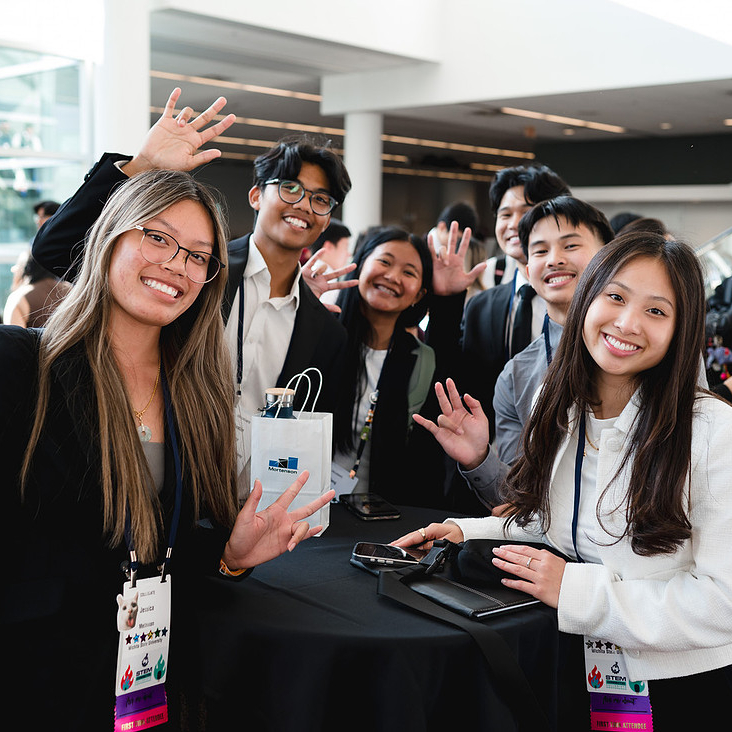
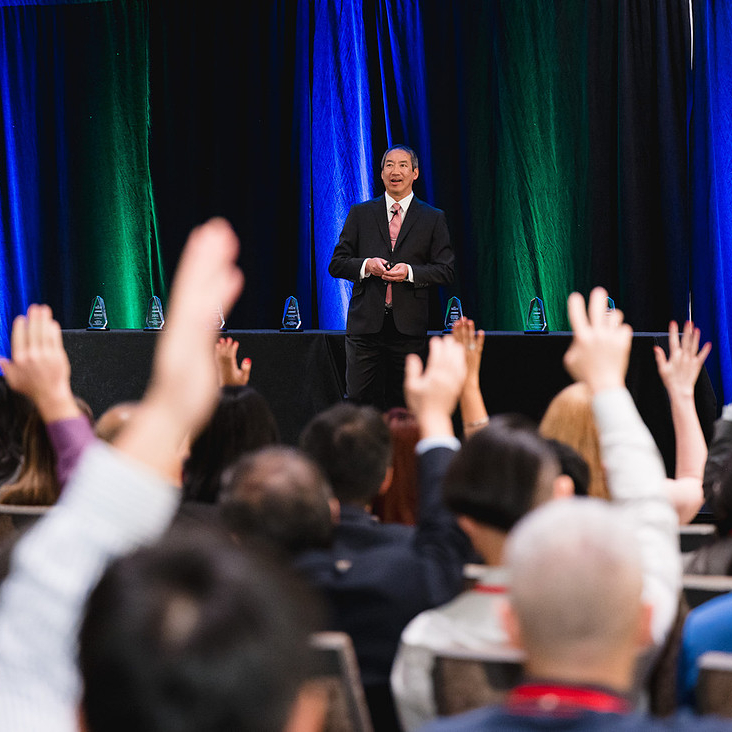




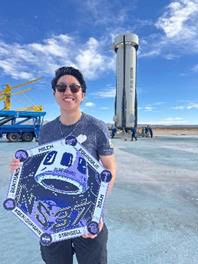


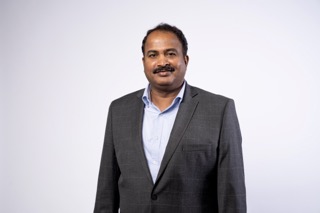

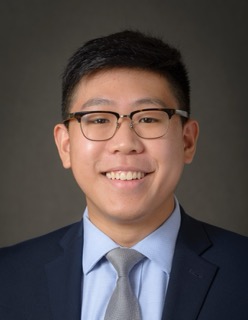



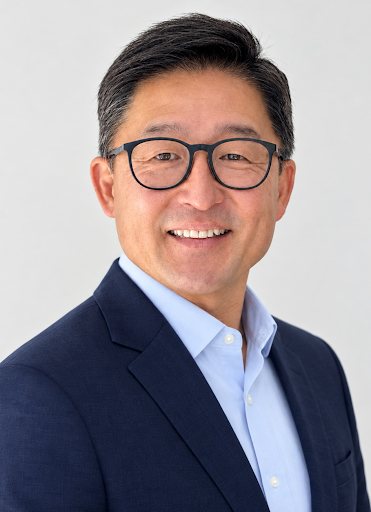




_1788201644779.jpg)
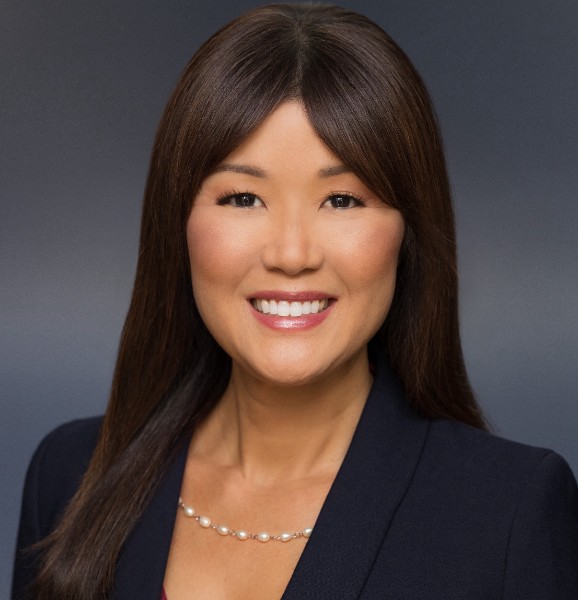
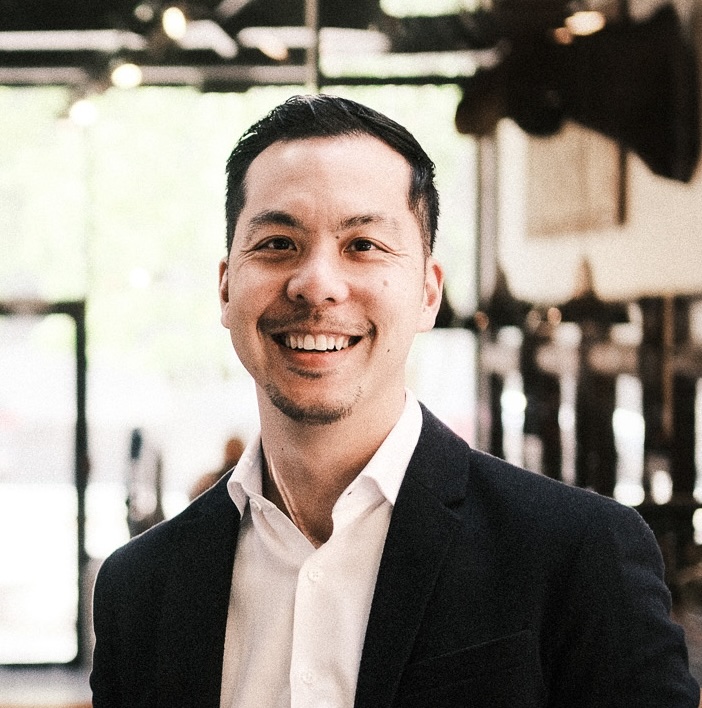
_1788201716623.jpeg)